10 Cortisol-Triggering Foods You're Probably Eating Every Day
Share
Nobody is out here intentionally eating foods that spike their stress hormones. These things are just convenient and everywhere and in most cases kind of delicious. But if your cortisol is already overworked, these foods are adding a drip-drip-drip of extra physiological load throughout your day that you might not even be clocking. Here's what to look for.
1. Refined Sugar
Sharp blood sugar spikes followed by crashes can prompt a cortisol response as your body scrambles to stabilize glucose. The craving for sugar during stress is biological and real — the blood sugar rollercoaster it creates does not help.
2. White Bread and Refined Carbs
Low fiber means faster digestion means a quicker blood sugar spike. The food basically sprints through your digestive system, spikes your glucose, and leaves your body playing catch-up.
3. Energy Drinks
High caffeine plus high sugar in one package is genuinely one of the more effective ways to double-trigger your stress response. You're getting a stimulant spike and a blood sugar spike simultaneously. The wings were not worth it.
4. Excess Alcohol
Alcohol feels like stress relief and then very often isn't. It fragments your sleep architecture — particularly deep, restorative REM sleep — and can cause blood sugar dips overnight. The result is frequently elevated next-day cortisol and reduced stress resilience, even when the evening felt relaxing.
5. Fried and Ultra-Processed Foods
Associated with increased inflammation markers, which interact with and can amplify the stress response over time. A pattern of these foods keeps your inflammatory baseline higher than it needs to be.
6. Too Much Caffeine
Specifically when stacked throughout the day or consumed on an empty stomach. One well-timed cup is very different from four cups before noon.
|
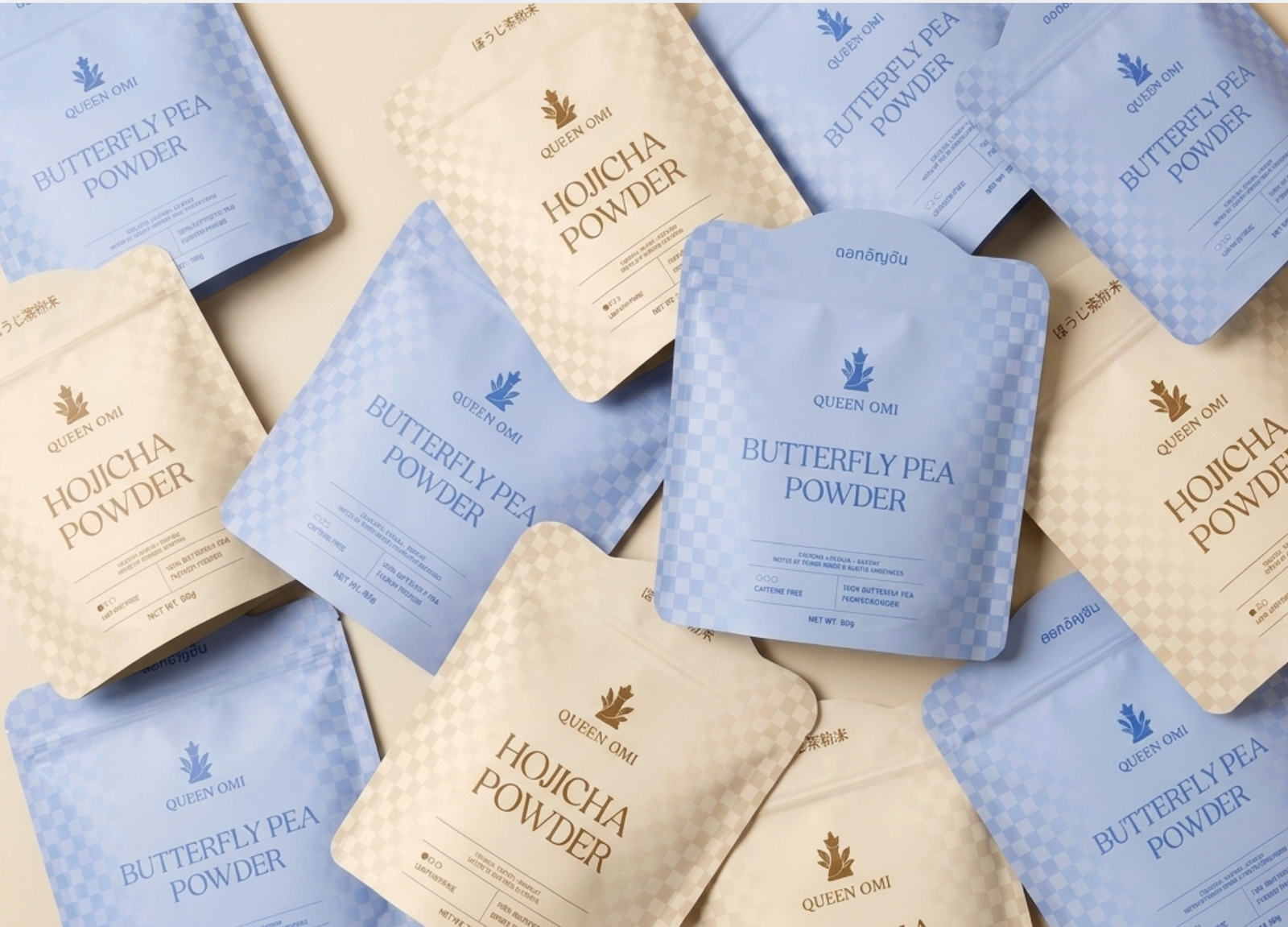
🍵 Queen Omi Organic Hojicha Okay, I need you to hear me on this. Hojicha is roasted Japanese green tea — low caffeine, rich in L-theanine, and it actually tastes incredible. This is what I reach for instead of that third coffee. It gives you the ritual without wrecking your nervous system. Trust me on this one. [Shop Queen Omi Organic Hojicha →] |
7. Artificial Sweeteners (For Some People)
Emerging research suggests some artificial sweeteners may affect blood sugar regulation differently than expected in certain individuals. The evidence is still developing, but if you've switched to diet everything and still feel off, this is worth knowing about.
8. High-Sodium Processed Foods
High sodium intake has been linked in some research to altered cortisol patterns, separate from its well-known blood pressure effects.
9. Skipping Meals
Not a food, but a trigger. Prolonged gaps without eating drop your blood sugar and prompt a stress response. Your body reads 'I haven't eaten in six hours' the same way it reads 'something might be wrong.'
10. Trans Fats
Linked to increased inflammation markers. Largely phased out in the US but still present in some imported and packaged products.
|
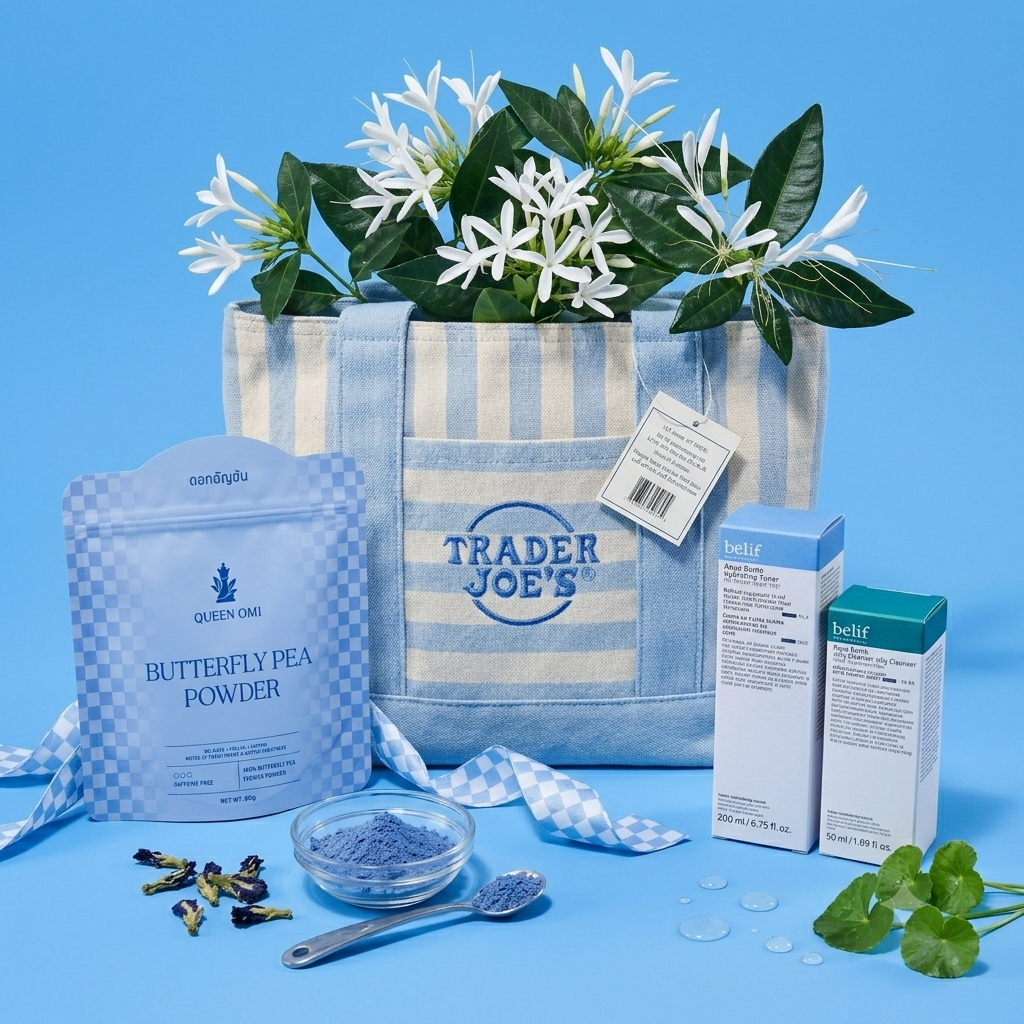
💙 Queen Omi Organic Butterfly Pea No caffeine. Packed with antioxidants. And it literally turns purple when you add lemon — I'm not joking, that's just what it does. Make this your evening ritual and tell your cortisol the workday is officially over. [Shop Queen Omi Organic Butterfly Pea →] |
The Swaps That Move the Needle
|
Instead of... |
Try... |
|
Energy drink |
Hojicha — lower caffeine, L-theanine, no blood sugar spike |
|
White bread |
Whole grain or sourdough |
|
Late-night dessert and scrolling |
Butterfly pea tea and an actual wind-down routine |
|
Skipping breakfast |
Something with protein within an hour of waking |
The Bottom Line
None of these need to be permanently eliminated. The goal is noticing the pattern and choosing steadiness more often than chaos. That's the whole shift.
This article is for educational purposes only and is not a substitute for professional medical advice. If you think you have a hormone imbalance or are dealing with chronic stress symptoms, please talk to a licensed healthcare provider.