Cortisol and the Menstrual Cycle: How Stress Hormones Shift Week to Week
Share
I need you to hear this: if the same situation — a hard conversation, a demanding day, someone doing something mildly annoying — feels completely different depending on the week, you are not overreacting. You are not being inconsistent. Your hormonal environment is literally different, and your stress response moves with it.
This is one of the most validating things I've learned about how women's bodies actually work. Let's get into it.
How Stress Tolerance Shifts Across Your Cycle
|
Cycle Phase |
What's Often Happening With Stress |
|
Menstrual (days 1-5) |
Lower energy, higher sensitivity — your body is doing a lot of internal work |
|
Follicular (days 6-13) |
Often your most resilient phase — energy and stress tolerance rise with estrogen |
|
Ovulation (~day 14) |
Usually peak energy and stress tolerance for most people |
|
Luteal (days 15-28) |
Stress reactivity often increases, especially in the week before your period |
Note: cycle lengths and phases vary significantly person to person. This is a framework, not a prescription.
Why the Luteal Phase Hits Harder
In the final week or so before your period, declining estrogen and progesterone can coincide with a genuinely heightened stress response. This is part of the biology behind PMS — not just 'bad moods,' an actual hormonal pattern that affects how your nervous system responds to input. This is real and documented.
Working With Your Cycle Instead of Against It
Follicular and Ovulation Phases — Use This Window
- Higher-intensity workouts — your body can handle more right now
- Schedule demanding projects, difficult conversations, creative heavy lifting
- This is your power window — actually use it
Luteal Phase — Protect This Window
- Scale back training intensity, especially in the final week
- Prioritize magnesium-rich foods and blood sugar stability
- Build in more wind-down time and remove guilt from that decision
|
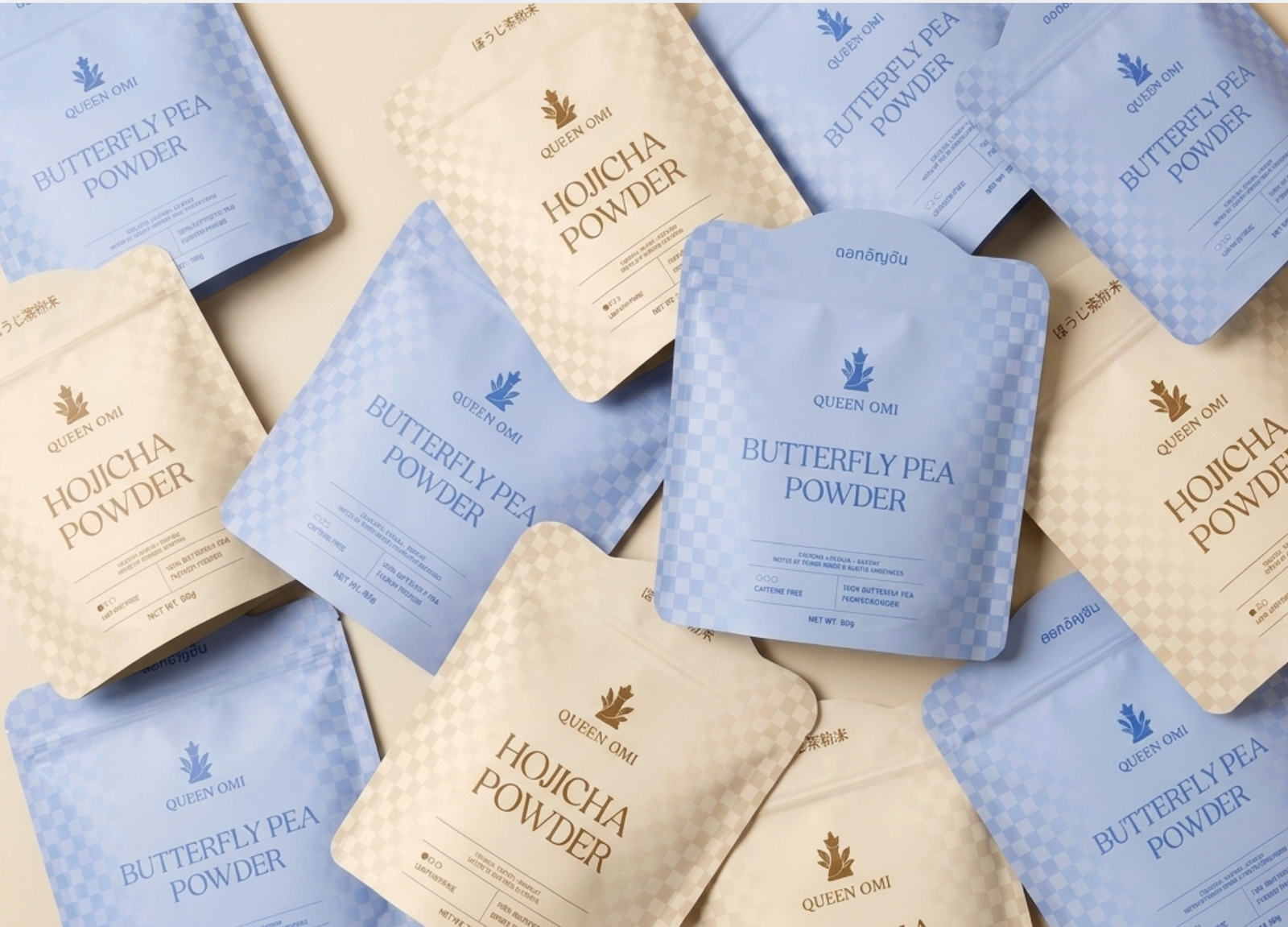
🍵 Queen Omi Organic Hojicha Okay, I need you to hear me on this. Hojicha is roasted Japanese green tea — low caffeine, rich in L-theanine, and it actually tastes incredible. This is what I reach for instead of that third coffee. It gives you the ritual without wrecking your nervous system. Trust me on this one. [Shop Queen Omi Organic Hojicha →] |
Menstrual Phase — Rest Is Not Laziness
- Your body is doing significant internal work — rest is genuinely productive here
- Iron-rich foods help offset fatigue
- A calming evening ritual can ease cramping-related sleep disruption
|
💙 Queen Omi Organic Butterfly Pea No caffeine. Packed with antioxidants. And it literally turns purple when you add lemon — I'm not joking, that's just what it does. Make this your evening ritual and tell your cortisol the workday is officially over. [Shop Queen Omi Organic Butterfly Pea →] |
When to Talk to a Doctor
If your luteal phase mood symptoms are severe enough to significantly disrupt your daily life, please talk to a healthcare provider. PMDD — premenstrual dysphoric disorder — is a recognized condition with real treatment options. It is not 'just bad PMS.' It is not something you have to push through.
The Bottom Line
Your stress tolerance has a rhythm tied to your cycle. Tracking that rhythm turns 'why do I feel like this' into 'oh, it's that week' — and that shift in understanding is genuinely life-changing for a lot of women.
This article is for educational purposes only and is not a substitute for professional medical advice. If you think you have a hormone imbalance or are dealing with chronic stress symptoms, please talk to a licensed healthcare provider.