Cortisol Belly Workout: Should You Train Differently for Stress Fat?
Share
The instinct when you want to address belly fat is to work out harder. More HIIT. More cardio. More sessions per week. And if cortisol is part of what's driving your midsection weight, that instinct may be actively working against you. I know that's not what anyone wants to hear. But here's why it matters.
The Problem With Just Adding More Intensity
Intense exercise is a beneficial stressor — that's literally how adaptation and fitness gains work. But it is still a stressor. When you stack heavy training on top of an already-elevated stress load, you may keep cortisol elevated rather than helping your body recover and rebalance. This is why some people notice a deeply frustrating pattern: more workouts, same or even more stubborn belly fat, increasing exhaustion. The physiology is working against the intention.
What Tends to Work Better
Strength Training at Moderate Frequency
Resistance training supports muscle mass and metabolic health without the cortisol spike associated with prolonged high-intensity cardio. Three sessions a week is enough. More during a high-stress period is often genuinely not better.
Walking — More Than You Think
Consistently underrated, consistently effective. Low intensity, sustainable, genuinely supportive of stress reduction without adding hormonal burden. If you do nothing else from this list, walk every day.
Yoga and Mobility Work
Combines movement with parasympathetic nervous system activation — the calm-and-restore mode that's the biological opposite of the stress response. Directly relevant if cortisol is part of your picture.
Shorter, Less Frequent HIIT
One to two sessions a week tends to be better tolerated during high-stress periods than daily intense training. HIIT is not off the table — it's effective. It just doesn't need to be your primary mode when cortisol is already elevated.
|
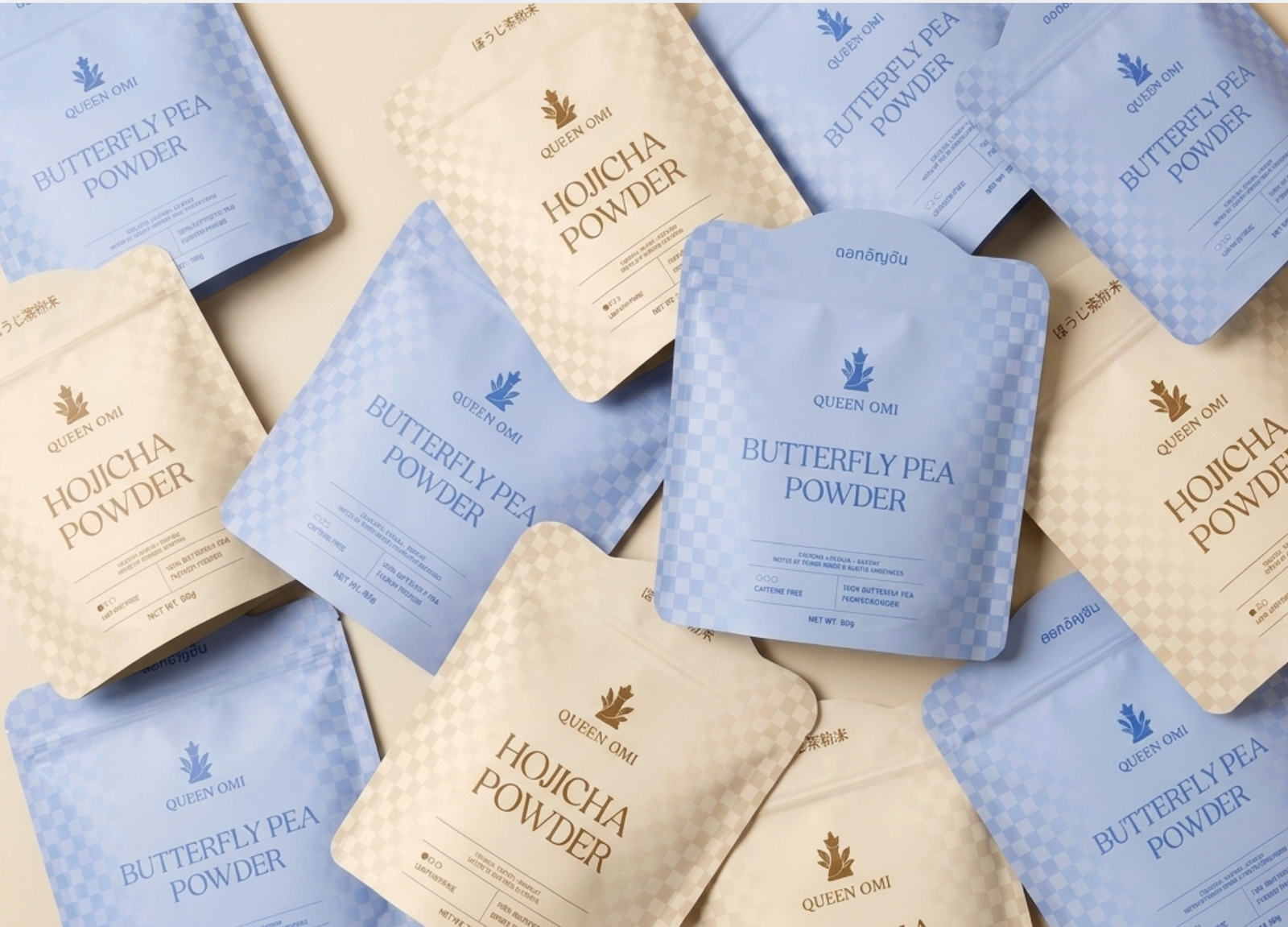
🍵 Queen Omi Organic Hojicha Okay, I need you to hear me on this. Hojicha is roasted Japanese green tea — low caffeine, rich in L-theanine, and it actually tastes incredible. This is what I reach for instead of that third coffee. It gives you the ritual without wrecking your nervous system. Trust me on this one. [Shop Queen Omi Organic Hojicha →] |
A Sample Week That Actually Works
|
Day |
Activity |
|
Monday |
Strength training |
|
Tuesday |
Walk and mobility work |
|
Wednesday |
Strength training |
|
Thursday |
Yoga or full rest |
|
Friday |
Strength training |
|
Saturday |
Walk or light cardio |
|
Sunday |
Complete rest |
|
💙 Queen Omi Organic Butterfly Pea No caffeine. Packed with antioxidants. And it literally turns purple when you add lemon — I'm not joking, that's just what it does. Make this your evening ritual and tell your cortisol the workday is officially over. [Shop Queen Omi Organic Butterfly Pea →] |
Signs You're Over-Training for Your Current Stress Load
- Workouts leave you more depleted than energized — consistently
- Your sleep has gotten worse since starting the new program, not better
- You feel like you have to force yourself through exhaustion to finish sessions
If these sound familiar, scaling back intensity — not stopping movement altogether — is almost always the right move.
The Bottom Line
More intense exercise is not automatically the answer to cortisol belly. Moderate, consistent movement that supports your nervous system rather than taxes it tends to work better. Work smarter here — not just harder.
This article is for educational purposes only and is not a substitute for professional medical advice. If you think you have a hormone imbalance or are dealing with chronic stress symptoms, please talk to a licensed healthcare provider.