Cortisol Face: Realistic Timelines for Seeing Change
Share
I need to be honest with you about cortisol face before-and-after content. A lot of those videos are not showing you what they imply they're showing you. They're showing you lighting changes, camera angle differences, how hydrated someone was at the moment of the photo, and how much alcohol they'd had the night before. All of those things affect your face dramatically and independently of any cortisol routine. So let's talk about what the real timeline actually looks like.
Why the 'Before and After' Content Is Often Misleading
Viral transformation content rarely controls for anything. Lighting alone can change how your face reads in a photo more than weeks of lifestyle changes. Add in camera angle, sodium intake, sleep, and alcohol — and you have a lot of variables that have nothing to do with the routine being credited. Approach this content with appropriate skepticism. Not cynicism. Just honest skepticism.
What Actually Changes and When
1 to 3 Days: Sodium and Hydration
Reducing excess sodium and increasing consistent water intake can visibly reduce mild fluid-retention puffiness within a day or two. This is real, it happens quickly, and it is also the most fragile change — it reverts if the habits don't continue. Don't confuse this with a cortisol reset.
1 to 2 Weeks: Sleep Consistency
Establishing and maintaining a consistent sleep schedule tends to produce visible improvements in under-eye puffiness and overall complexion within one to two weeks. This is the change most likely to actually look like a meaningful before-and-after — because sleep is the most impactful single lever available to you.
2 to 4 Weeks: Sustained Stress and Routine Changes
Building real stress-management habits — movement, diet, wind-down rituals, reduced stimulant load — generally takes several weeks of consistency before changes in inflammation and fluid balance become noticeably visible. Not seven days. Several weeks.
Months: Deeper Hormonal Patterns
If changes are tied to longer-term chronic stress or a hormonal transition, meaningful and sustained improvement typically takes a multi-month commitment. This is the timeline the internet does not make content about because it doesn't fit in a short video.
|
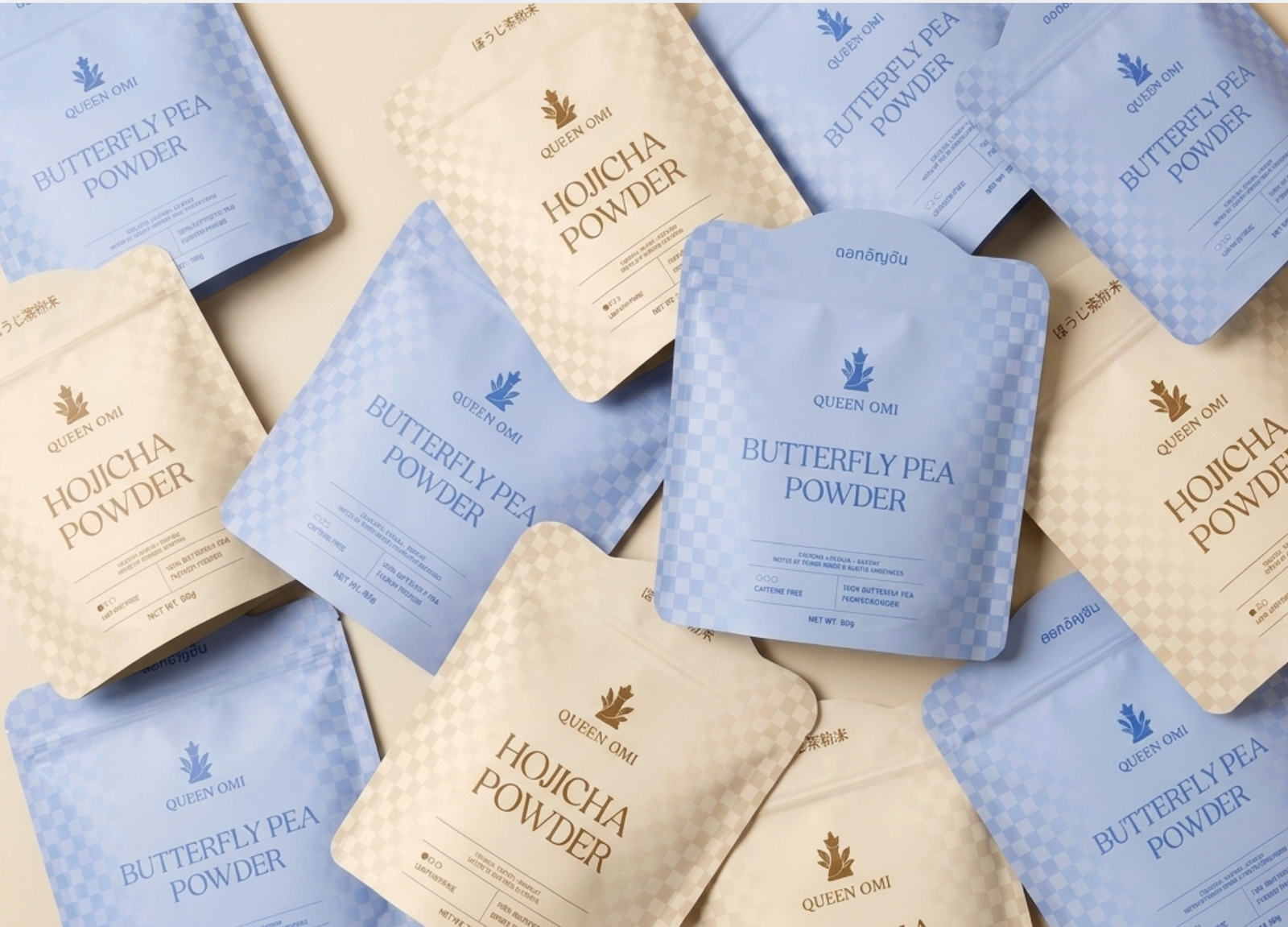
🍵 Queen Omi Organic Hojicha Okay, I need you to hear me on this. Hojicha is roasted Japanese green tea — low caffeine, rich in L-theanine, and it actually tastes incredible. This is what I reach for instead of that third coffee. It gives you the ritual without wrecking your nervous system. Trust me on this one. [Shop Queen Omi Organic Hojicha →] |
A More Honest Expectations Table
|
Timeframe |
What to Realistically Expect |
|
1-3 days |
Mild reduction in sodium and hydration-related puffiness |
|
1-2 weeks |
Noticeable under-eye improvement with consistent sleep |
|
2-4 weeks |
Subtle overall complexion changes from reduced inflammation |
|
Months |
Sustained change tied to a genuine long-term pattern shift |
|
💙 Queen Omi Organic Butterfly Pea No caffeine. Packed with antioxidants. And it literally turns purple when you add lemon — I'm not joking, that's just what it does. Make this your evening ritual and tell your cortisol the workday is officially over. [Shop Queen Omi Organic Butterfly Pea →] |
What Will Not Happen
A dramatic facial reshaping in seven days. If you see a viral claim of this kind, look at the photography conditions before you look at the routine being credited.
The Bottom Line
Real change is gradual. It's built on consistent sleep, hydration, and stress habits — and it tends to show up in how you feel before it shows up in the mirror. That's actually the better outcome, if you think about it.
This article is for educational purposes only and is not a substitute for professional medical advice. If you think you have a hormone imbalance or are dealing with chronic stress symptoms, please talk to a licensed healthcare provider.