Does Caffeine Raise Cortisol? Here's What the Research Actually Shows
Share
Yes. But there's a large and important 'but' attached to that answer, and the nuance matters way more than the headline does. Because 'caffeine raises cortisol' is accurate in the same way that 'exercise is stressful' is accurate: technically true, context-dependent, and not automatically a reason to stop doing the thing.
The Confirmed Part
Caffeine has a measurable, short-term cortisol-raising effect. This has been demonstrated in controlled studies, particularly with acute caffeine intake — meaning the first time or after a period of not having caffeine. This is not disputed in the literature. It's a real effect.
The Context That Changes Everything
Habitual Users Develop Tolerance
People who consume caffeine regularly develop some tolerance to its cortisol-raising effect over time. An occasional caffeine consumer and a daily coffee drinker are having genuinely different physiological responses to the same dose. Your morning cup is doing less to your cortisol than the first cup you ever had.
Timing Changes the Impact Significantly
Caffeine consumed during your natural morning cortisol peak is compounding an already-elevated level. The same dose in the late morning, when cortisol is naturally declining, has a different relative impact. This is why the timing conversation matters — it's not just wellness advice, it's biology.
Dose Is a Real Variable
Higher doses of caffeine produce a more pronounced cortisol response. One cup of coffee is physiologically very different from four cups plus a pre-workout plus an energy drink. These are not equivalent scenarios.
Your Existing Stress State Matters
Some research suggests the cortisol response to caffeine may be more pronounced in people already under significant psychological stress. If you're going through a hard season, the same cup of coffee may be affecting your stress hormones more than it would during a calm period.
|
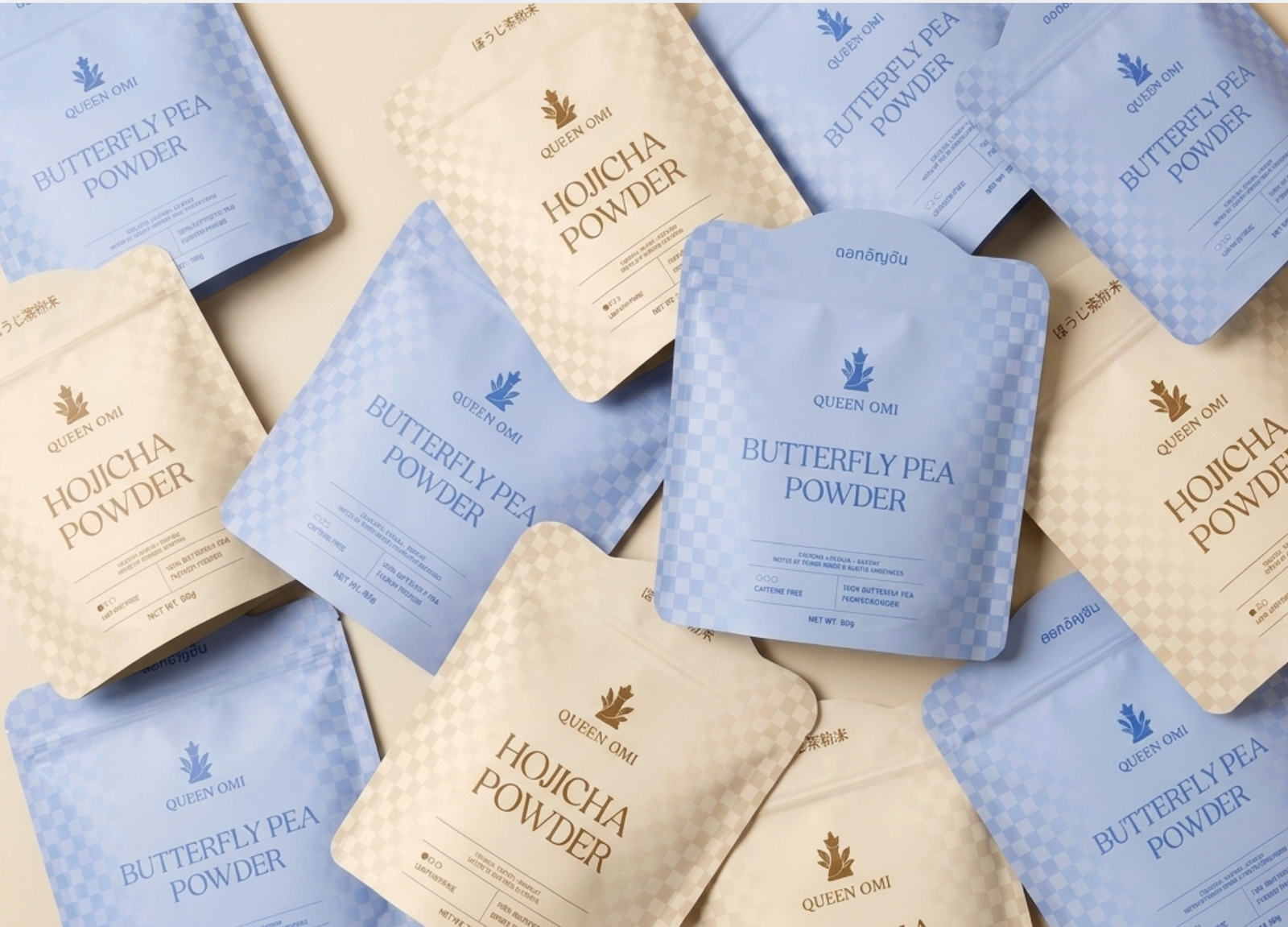
🍵 Queen Omi Organic Hojicha Okay, I need you to hear me on this. Hojicha is roasted Japanese green tea — low caffeine, rich in L-theanine, and it actually tastes incredible. This is what I reach for instead of that third coffee. It gives you the ritual without wrecking your nervous system. Trust me on this one. [Shop Queen Omi Organic Hojicha →] |
So Does This Mean Coffee Is Bad?
No. A temporary, modest cortisol rise from a normal cup of coffee is not a health emergency for the vast majority of people. Cortisol fluctuates throughout the day for all kinds of reasons — meals, movement, standing up too fast, stress. The concern is more about chronic, excessive caffeine intake compounding an already-elevated stress load. Not your morning latte.
|
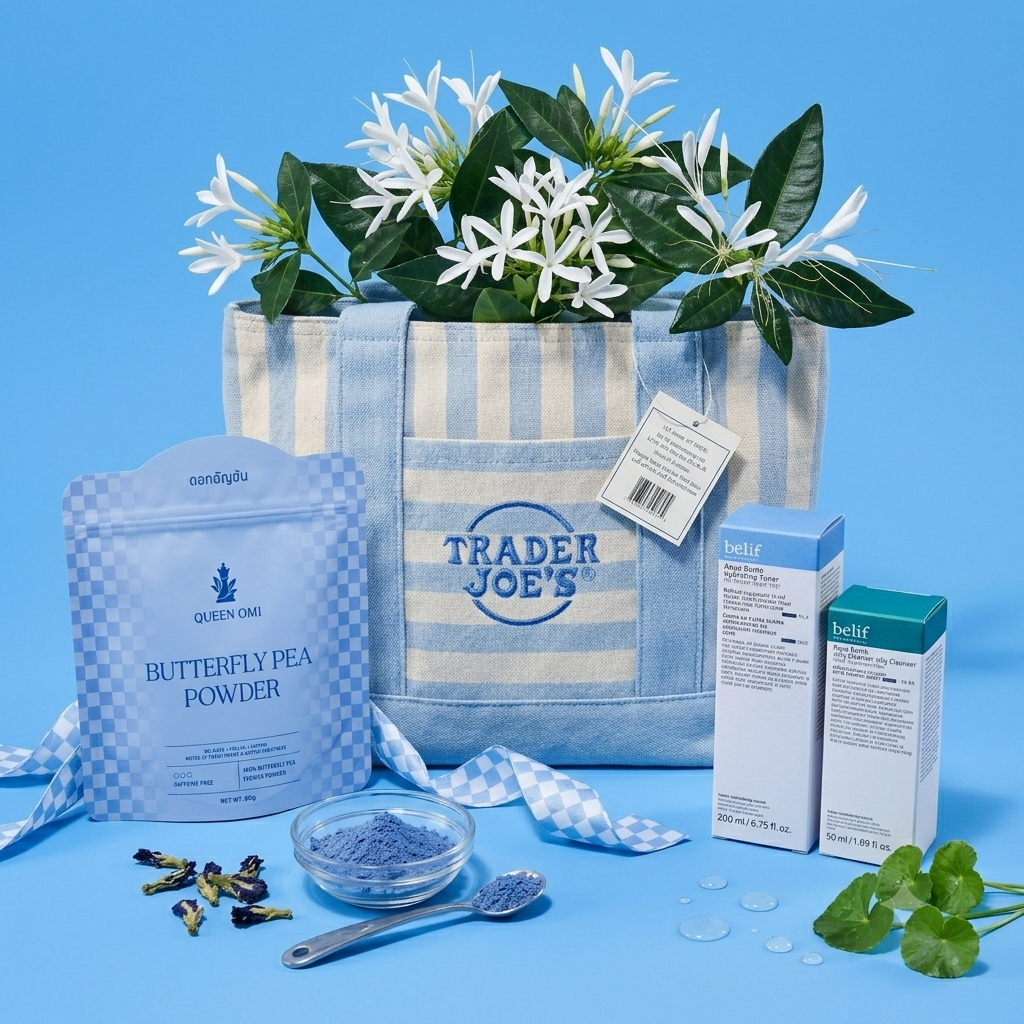
💙 Queen Omi Organic Butterfly Pea No caffeine. Packed with antioxidants. And it literally turns purple when you add lemon — I'm not joking, that's just what it does. Make this your evening ritual and tell your cortisol the workday is officially over. [Shop Queen Omi Organic Butterfly Pea →] |
What I'd Take Away From This
- Moderate intake — up to roughly 400mg per day for most healthy adults — is unlikely to be a significant concern on its own
- Timing your caffeine away from the natural morning peak reduces the compounding effect meaningfully
- If you're already managing high stress, being more intentional about your total caffeine load across the day is a real and worthwhile move
- Swapping at least one cup for a lower-caffeine option gives you the ritual and the warmth without the full stimulant hit
The Bottom Line
Caffeine does raise cortisol short-term — the research is clear on that. But the practical impact depends heavily on dose, timing, habituation, and your current stress state. Moderate, well-timed coffee is different from a caffeine escalation that builds all day. The nuance is the point.
This article is for educational purposes only and is not a substitute for professional medical advice. If you think you have a hormone imbalance or are dealing with chronic stress symptoms, please talk to a licensed healthcare provider.