Does Cutting Sugar Really Improve Skin Clarity?
Share
The sugar-skin connection is one of the more consistently supported claims in nutrition-and-skin research, though the mechanism is more specific than "sugar is bad."
The evidence: High-glycemic diets have been linked in multiple studies to increased acne severity. The proposed mechanism involves blood sugar spikes triggering insulin release, which in turn can increase androgen activity and oil production — both contributors to breakouts. Diets lower on the glycemic index have shown modest but real improvements in acne severity in controlled studies.
What "cutting sugar" actually needs to mean: The research is really about glycemic load — how quickly and how high a food spikes blood sugar — not sugar in isolation. White bread and sugary drinks can have similar glycemic impact even though only one "tastes sweet." This is why simply avoiding dessert while still drinking sweetened coffees or sodas often doesn't move the needle much.
A realistic framing: This isn't a guarantee — genetics, hormones, and skincare routine all play a role in acne, and no one should expect cutting sugar alone to clear skin completely. But for people with diet-sensitive skin, reducing high-glycemic drinks and snacks is one of the more evidence-supported, low-risk changes available.
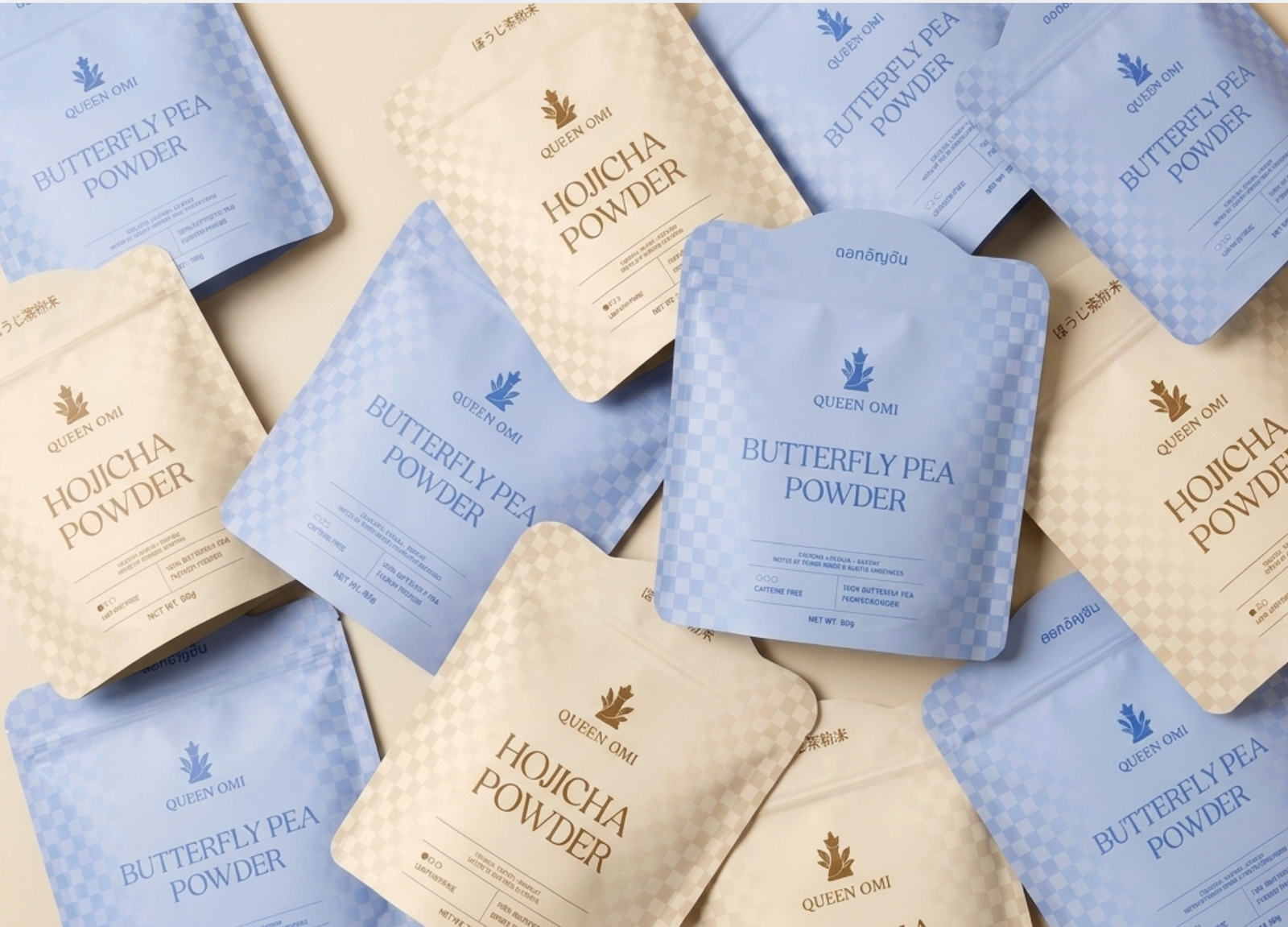
A practical swap: Sweetened coffee drinks and energy drinks are often the biggest hidden sugar source in a daily routine. Swapping one of those for an unsweetened, naturally low-glycemic ritual — like plain hojicha or butterfly pea tea — removes a sugar spike without requiring you to give up the ritual of a warm drink altogether.