Does the Cortisol Diet Actually Work? What the Science Says
Share
I'm going to give you the honest answer here, because I think you deserve that more than a headline that overpromises. Yes — it works. Kind of. With important caveats that the TikTok videos leave out because they make the content slightly less satisfying to watch.
The cortisol diet isn't a clinical protocol. It's a framework built around real biology. So let's separate what's actually backed by science from what's just vibes with a good aesthetic.
Here's What the Research Actually Supports
- Blood sugar swings can trigger the stress response. Spikes and crashes are physiologically taxing — your body may respond to that crash the same way it responds to an actual threat. This is documented.
- Chronic under-eating elevates cortisol. Severe restriction is a physical stressor. This is one of the more consistent findings in this space, and also the most inconvenient one for diet culture. Eating too little is stressing your body out.
- Caffeine has a measurable short-term effect on cortisol, especially when stacked on your natural morning peak. More on this in another article — but yes, this is real.
- Magnesium depletion is linked to a more reactive stress response. Stress burns through your magnesium stores faster than normal. Eating magnesium-rich foods is a genuinely evidence-adjacent move.
And Here's What's Overstated
Here's where I need to be real with you. A lot of what you see online implies that a specific smoothie, a five-day cleanse, or a single superfood will dramatically lower your cortisol. That is not how cortisol works.
Cortisol is regulated by your HPA axis — a complex feedback loop involving your brain, pituitary gland, and adrenal glands. It is not something one ingredient can override. Spinach is great for you. It is not pharmaceutically altering your hormone levels. Let's keep our expectations in the right place.
So Does It Work?
Here's how I think about it: a cortisol diet approach — stable blood sugar, anti-inflammatory foods, less caffeine chaos throughout your day — is essentially just a well-rounded way of eating that supports your body's ability to manage stress. It's not lowering a number the way medication would. It's creating an internal environment where your body can regulate itself better.
That's not nothing. That's actually a lot.
|
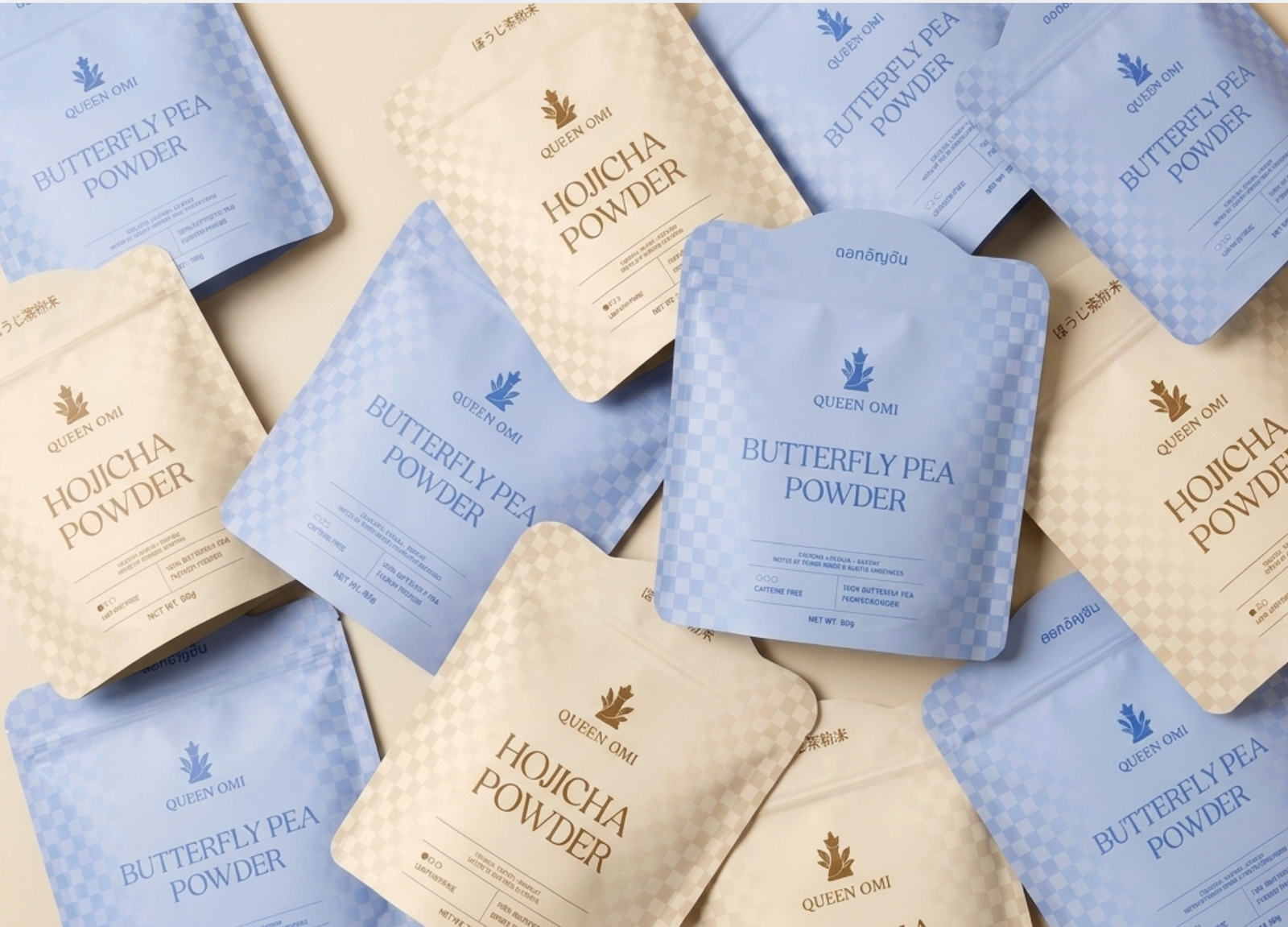
🍵 Queen Omi Organic Hojicha Okay, I need you to hear me on this. Hojicha is roasted Japanese green tea — low caffeine, rich in L-theanine, and it actually tastes incredible. This is what I reach for instead of that third coffee. It gives you the ritual without wrecking your nervous system. Trust me on this one. [Shop Queen Omi Organic Hojicha →] |
What Has Even More Evidence Behind It Than Diet Alone
- Sleep consistency — this is the most evidence-backed cortisol lever available to you, full stop
- Regular moderate exercise — and note that over-exercising actually raises cortisol, which is a whole conversation
- Stress management practices — breathwork, therapy, boundaries, all of it
- Social connection — sounds soft, has a genuinely robust research base behind it
|
💙 Queen Omi Organic Butterfly Pea No caffeine. Packed with antioxidants. And it literally turns purple when you add lemon — I'm not joking, that's just what it does. Make this your evening ritual and tell your cortisol the workday is officially over. [Shop Queen Omi Organic Butterfly Pea →] |
The Bottom Line
The cortisol diet isn't a myth and it isn't a magic switch. It supports the systems that regulate your stress hormones — best understood as one piece of a bigger picture that includes sleep, movement, and not treating your life like a contact sport. But it's a real piece. And it matters.
This article is for educational purposes only and is not a substitute for professional medical advice. If you think you have a hormone imbalance or are dealing with chronic stress symptoms, please talk to a licensed healthcare provider.