How to Lose Cortisol Belly Without Over-Exercising (It Can Backfire)
Share
Here is the irony I need you to fully absorb: for a lot of people dealing with cortisol belly, the decision to work out harder is part of what's keeping them stuck. Chronic stress elevated your cortisol. Intense exercise elevates cortisol. You're trying to solve a cortisol problem by adding more cortisol. The math is not mathing.
Why 'Just Train More' Backfires
A body already managing high cortisol levels may respond to the additional training stress by keeping cortisol elevated, disrupting sleep further, and continuing to preferentially store fat in the midsection. People in this pattern often report the most frustrating paradox: more workouts, more stubborn belly fat, more exhaustion. The physiology is actively working against the intention.
What Actually Works Instead
1. Sleep Before Another Workout
If you are choosing between an early morning intense workout and an extra hour of sleep during a high-stress period — sleep. Almost every time. Sleep is the highest-leverage cortisol lever you have access to, and no workout cancels out chronic sleep deprivation.
2. Build Your Training Around Strength, Not Cardio Volume
Resistance training supports muscle mass and metabolic health more sustainably than repeated high-intensity cardio sessions and places less demand on your cortisol system at appropriate volumes.
3. Walk — Seriously, Just Walk
Low-intensity daily movement supports calorie expenditure, circulation, and stress reduction without adding cortisol load. It's unglamorous and it works.
|
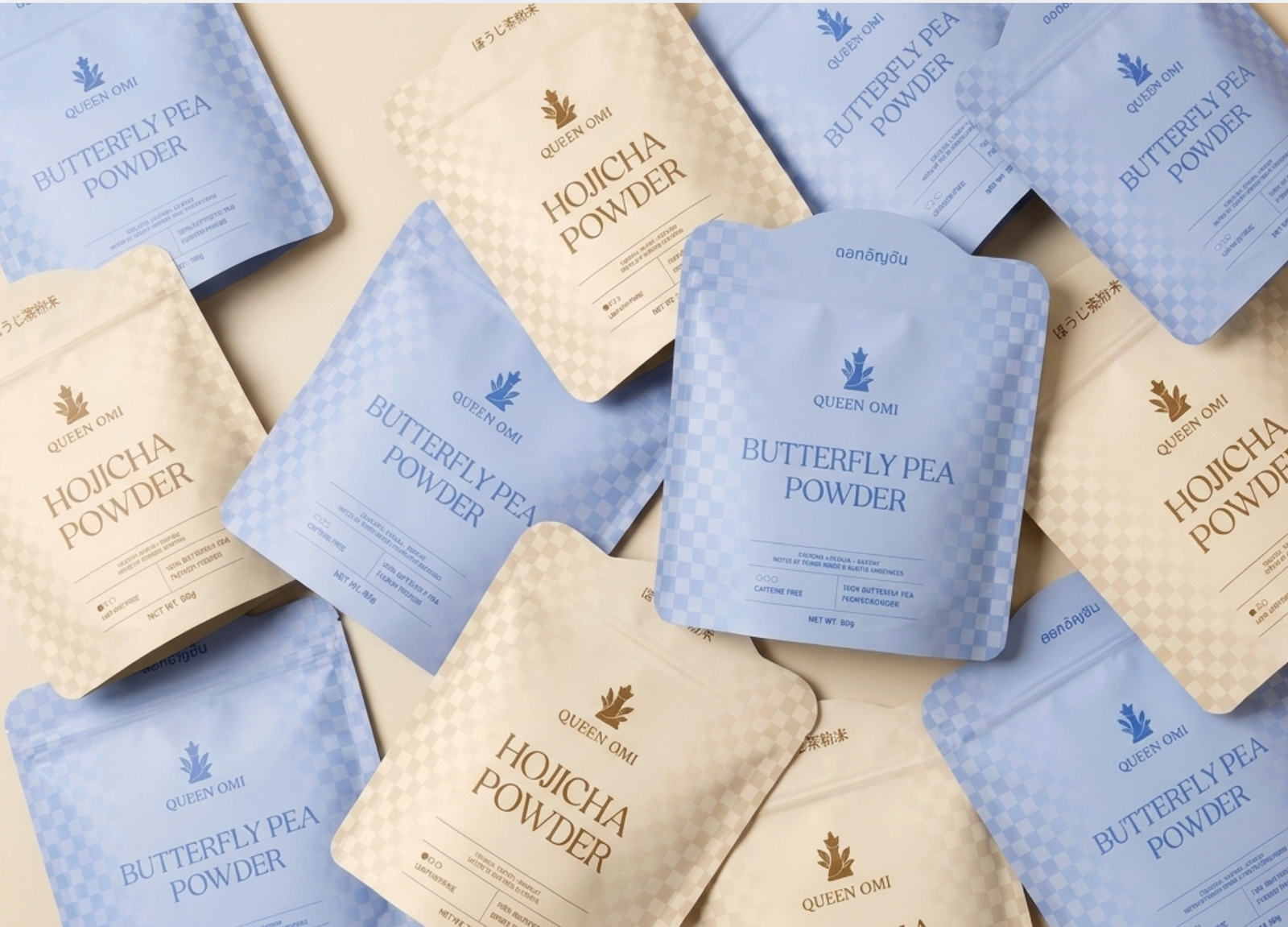
🍵 Queen Omi Organic Hojicha Okay, I need you to hear me on this. Hojicha is roasted Japanese green tea — low caffeine, rich in L-theanine, and it actually tastes incredible. This is what I reach for instead of that third coffee. It gives you the ritual without wrecking your nervous system. Trust me on this one. [Shop Queen Omi Organic Hojicha →] |
4. Eat Enough to Support Your Activity Level
Combining intense training with caloric restriction is one of the most effective ways to keep cortisol chronically elevated. You need to actually fuel the training you're doing. Under-eating plus over-training is the specific combination that breaks people, physically and mentally.
5. Actually Rest on Rest Days
Not 'active recovery that's secretly still intense.' Rest. A calming walk, a warm drink, an early bedtime. Your body needs to know that the emergency is over. Rest days are how you tell it that.
|
💙 Queen Omi Organic Butterfly Pea No caffeine. Packed with antioxidants. And it literally turns purple when you add lemon — I'm not joking, that's just what it does. Make this your evening ritual and tell your cortisol the workday is officially over. [Shop Queen Omi Organic Butterfly Pea →] |
What a Realistic Week Looks Like
- Two to three strength training sessions
- Daily walking — this is your baseline, not a bonus
- One optional shorter cardio session if your energy genuinely supports it
- One to two full rest or gentle movement days
- Consistent sleep and adequate food throughout all of it
The Bottom Line
The answer to cortisol belly is almost never 'train more.' It's train smarter, recover better, sleep consistently, and fuel adequately. Those four things together tend to outperform any escalation in workout intensity. Your body is not a machine that needs more input. It's a system that needs better conditions.
This article is for educational purposes only and is not a substitute for professional medical advice. If you think you have a hormone imbalance or are dealing with chronic stress symptoms, please talk to a licensed healthcare provider.