Is Cortisol Face Real? What Dermatologists and Endocrinologists Say
Share
I think the most useful thing I can do here is give you the actual expert perspective — not the TikTok version and not a dismissal of the whole thing, but the honest middle ground where the science actually lives. Here's what dermatologists and endocrinologists tend to say about cortisol face.
What Endocrinology Confirms
Endocrinology has long established that genuinely excessive cortisol — as seen in Cushing's syndrome — produces real, measurable facial changes often called moon face, involving fat redistribution to the cheeks and a rounder appearance. This is clinical, documented, and not in dispute.
Here's the key caveat though: Cushing's syndrome involves cortisol levels far beyond what normal life stress produces. Endocrinologists are generally careful to distinguish between a clinical cortisol disorder and the everyday variety — not because stress doesn't affect your body, but because the mechanisms and magnitudes are fundamentally different.
What Dermatology Confirms
Dermatology's more accepted position is that chronic stress causes real, visible skin effects: increased inflammation can disrupt the skin barrier, trigger acne and eczema flares, and contribute to a dull, tired-looking complexion. Sleep disruption — which is closely linked to elevated cortisol — is independently and robustly linked to under-eye puffiness.
Where dermatologists tend to push back is on the implication that normal life stress can visibly and significantly reshape your face in days. That's not well-supported at the level of stress most people are experiencing.
Where Both Fields Agree
- Chronic stress has real, visible effects on skin and overall appearance — this is not disputed
- Sleep is the single most impactful lever for both stress and skin — both fields agree on this
- Significant facial fat redistribution requires clinical-level cortisol, not just a hard quarter
- Persistent, unexplained facial changes warrant a medical evaluation, not a wellness routine
|
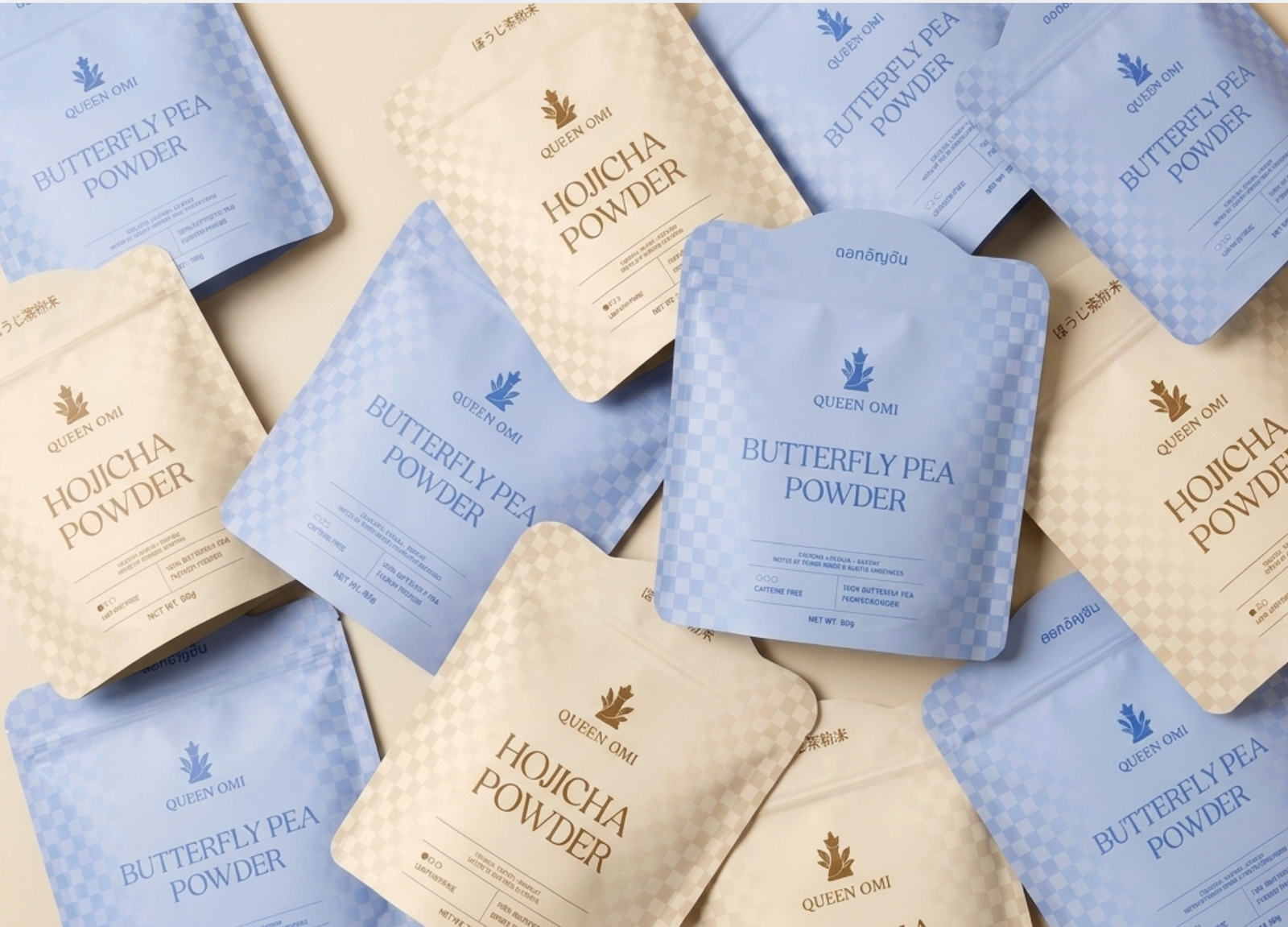
🍵 Queen Omi Organic Hojicha Okay, I need you to hear me on this. Hojicha is roasted Japanese green tea — low caffeine, rich in L-theanine, and it actually tastes incredible. This is what I reach for instead of that third coffee. It gives you the ritual without wrecking your nervous system. Trust me on this one. [Shop Queen Omi Organic Hojicha →] |
The Honest Summary
Cortisol face is an oversimplified, viral version of a real biological relationship between stress, sleep, inflammation, and appearance. The relationship is real. The overnight dramatic transformation narrative is not the evidence-based version of this story.
|
💙 Queen Omi Organic Butterfly Pea No caffeine. Packed with antioxidants. And it literally turns purple when you add lemon — I'm not joking, that's just what it does. Make this your evening ritual and tell your cortisol the workday is officially over. [Shop Queen Omi Organic Butterfly Pea →] |
When to Actually See a Doctor
If you're noticing progressive facial rounding alongside unexplained weight gain, thin skin, easy bruising, muscle weakness, or irregular periods — those combined symptoms are worth a medical evaluation specifically for cortisol-related conditions, not a lifestyle reset.
The Bottom Line
There's real science here wrapped in a lot of TikTok. Stress affects how you look. The dramatic, fast transformation version is not the one supported by the evidence. Work with the real timeline and the real levers — and for anything persistent or concerning, see a doctor.
This article is for educational purposes only and is not a substitute for professional medical advice. If you think you have a hormone imbalance or are dealing with chronic stress symptoms, please talk to a licensed healthcare provider.