Is Cortisol Good or Bad? A Straight Answer
Share
Cortisol is having a strange moment. It's been recast online as a villain — the hormone responsible for belly fat, puffy faces, bad moods and stubborn weight. That framing sells supplements. It's also wrong in a way that's worth understanding, because the real picture tells you what to actually do.
What cortisol does
Cortisol is a glucocorticoid hormone made by your adrenal glands. It regulates blood sugar, controls inflammation, manages blood pressure, supports memory formation, and helps set your sleep-wake cycle. Without it you'd be in serious trouble — that's Addison's disease, and it's life-threatening.
So: good or bad is the wrong axis. The right question is about pattern.
The pattern that matters
Healthy cortisol follows a rhythm. High in the morning, declining through the day, low at night. Problems show up when that rhythm flattens or inverts — when you're exhausted in the morning and wired at 11pm.
That flattening is driven by a short list of things: chronic sleep deprivation, unrelenting psychological stress, irregular eating, over-exercising without recovery, and heavy caffeine or alcohol use. Notably, it is not driven by eggs, or seed oils, or whatever this month's food villain is.
When cortisol is genuinely a medical issue
Cushing's syndrome (too much) and Addison's disease (too little) are real conditions with real diagnostic criteria. Signs that warrant a doctor rather than a lifestyle tweak include rapid unexplained weight gain around the trunk with thin limbs, purple stretch marks, muscle weakness, unexplained high blood pressure, or persistent profound fatigue. These are uncommon, and they are diagnosed with blood, saliva or urine testing — not from a photo of your face.
"Cortisol belly" and "cortisol face"
Neither is a medical term. Sustained genuinely elevated cortisol can redistribute fat toward the trunk and cause facial fullness, but that's the clinical picture of Cushing's, not the explanation for ordinary weight fluctuation or a bloated week. Treating normal variation as a hormonal emergency is how people end up buying things they don't need.
What actually helps the rhythm
Sleep, first and by a distance. Regular meals with protein. Movement, including the low-intensity kind. Daylight in the morning. Caffeine timed after food rather than instead of it. Some version of a daily wind-down that isn't a screen.
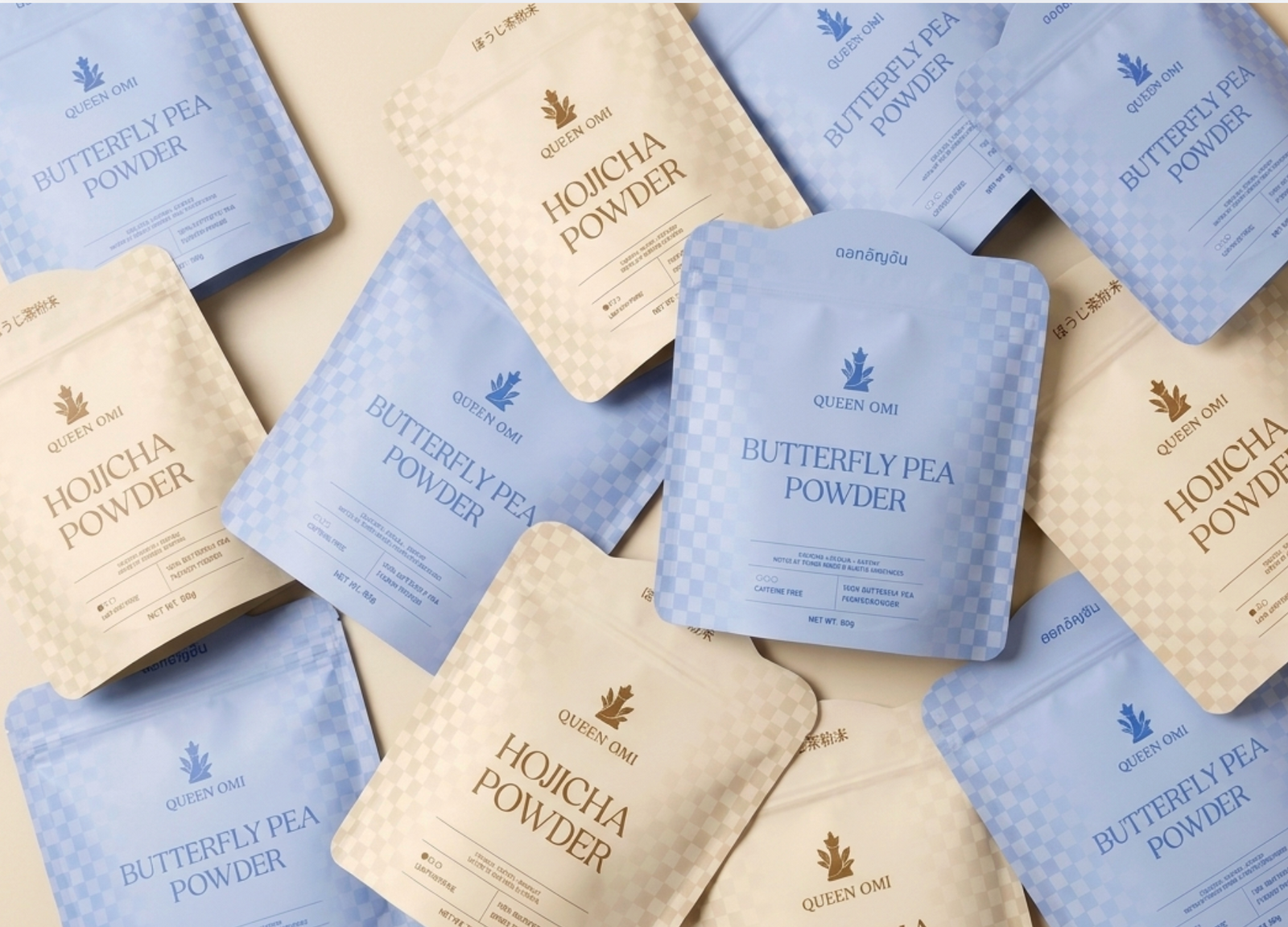
That last one is where a drink earns its place — not as a hormonal intervention, but as a cue. A caffeine-free evening cup of butterfly pea flower tea, or a low-caffeine hojicha in the afternoon instead of a fourth coffee, works because it's repeatable and because it displaces something worse. The mechanism is behavioural, and that's fine. Behavioural is what actually sticks.