No Caffeine Culture. The quiet revolution in your cup.
No Caffeine Culture.
The quiet revolution in your cup.
Why the most sovereign move you can make right now
is knowing exactly what your body is asking for.
There's a reason the coffee shop feels like a second office. Not because the coffee is that good — but because we needed a ritual, and caffeine handed us one. Every morning, the same automatic reach. The same paper cup. The same jolt, the same crash, the same promise to do it all again tomorrow.
Something is shifting. Quietly, deliberately, in the way that real change always happens — not with a press release, but with a pause. People are putting down the double espresso and asking, for the first time: do I actually want this, or is this just what I do?
Welcome to no caffeine culture. Not a deprivation movement. Not a wellness trend that asks you to suffer for your health. A reclamation of one of the smallest, most repeated choices you make every single day — and the surprising power that comes from making it with intention.
The crash isn't the price of admission.
We've been told the afternoon crash is inevitable. That jitters are just part of being productive. That anxiety is the cost of being alert. None of this is true — it's just the bargain caffeine made with us, and we stopped questioning it.
Caffeine works by blocking adenosine, the compound your body uses to signal fatigue. But the adenosine doesn't disappear — it waits. The moment caffeine clears, it floods back. That's the crash. That's the fog. That's the reason you need another cup to function at 2pm, not because your body is broken, but because you've been overriding it all morning.
Reduce the caffeine, and something interesting happens: your sleep deepens. Your mood stabilizes. Your baseline energy — the real, owned kind — starts to climb. The research is consistent on this. Better sleep means sharper cognition. Sharper cognition means less reliance on stimulants. And less anxiety means more of the clarity you were chasing with caffeine in the first place.
What the research says
Caffeine delays your body's internal clock and shortens time spent in deep, restorative sleep — even when consumed hours before bed. Reducing intake consistently leads to improved sleep onset, mood stability, and sustained energy across the day.
For those with anxiety, the mechanism is direct: caffeine elevates heart rate and blood pressure, mimicking — and amplifying — the physical experience of stress. Removing it isn't restriction. It's relief.
The culture is already changing.
This isn't fringe. Millennials and Gen Z are rethinking caffeine at scale — not because they've been told to, but because the evidence is personal. The wired mornings. The foggy afternoons. The sleep that never quite restores. The market is responding. Caffeine-free and low-caffeine functional beverages have grown into a multi-billion dollar category, with brands from Celsius to Monster launching alternatives they couldn't have sold five years ago.
But the most interesting shift isn't in what people are drinking. It's in why they're reaching for something different. Not restriction. Sovereignty. The difference between a habit that runs you and a ritual you own.
Caffeine moderation is increasingly seen as an act of self-care — not deprivation.
What actually belongs in your cup.
The good news: the alternatives have grown up. This isn't the era of sad herbal tea bags that taste like lawn. The functional beverage world has become genuinely extraordinary — and tea powders sit at its center.
For the body
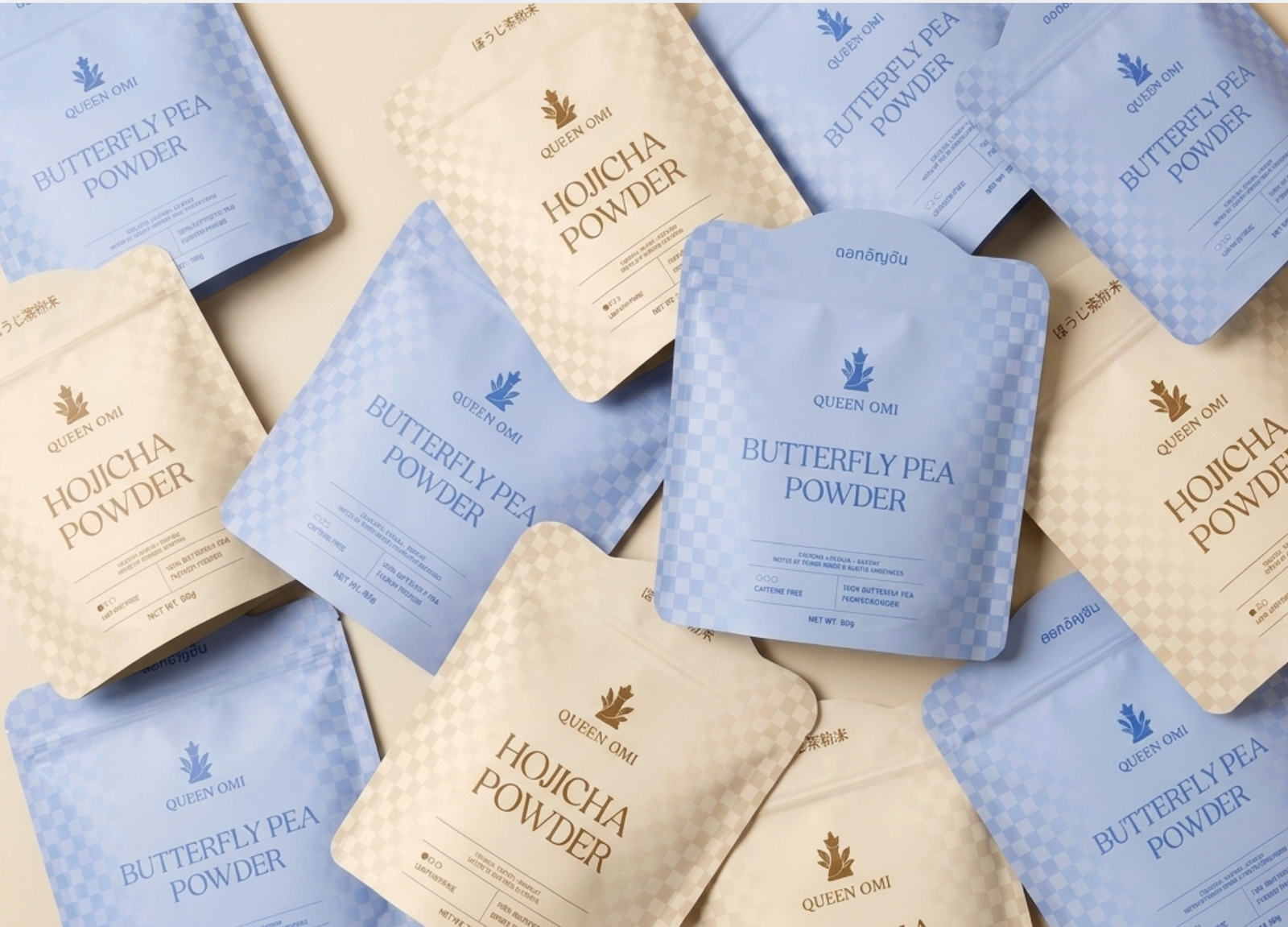
Hojicha — roasted Japanese green tea — contains a fraction of the caffeine found in coffee, but it's not just about what's absent. Hojicha is high in antioxidants, notably catechins that support cardiovascular health. The roasting process also produces pyrazine, a compound associated with relaxed, calm focus — energy that arrives slowly and stays. No spike. No withdrawal.
For the mind
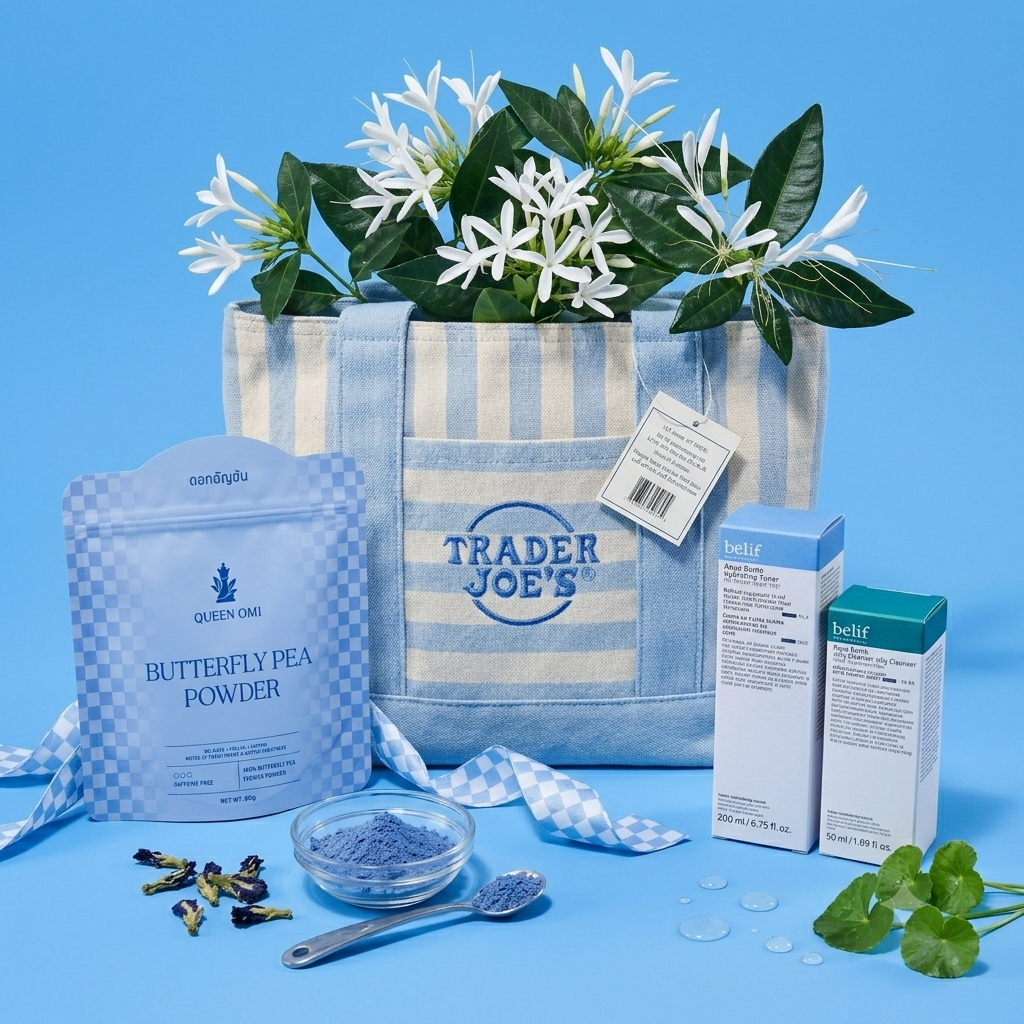
Butterfly pea flower is completely caffeine-free, and it works through a different mechanism entirely. Its flavonoids cross the blood-brain barrier and support cognitive function and memory. It's the evening drink that doesn't ask your nervous system to work overtime — a sip that says you're done, and means it.
For the mornings you want more
Matcha with functional mushrooms — lion's mane and reishi — is where intentional energy begins. Lower caffeine than coffee, but paired with L-theanine (which promotes calm focus without sedation) and adaptogens that regulate your stress response rather than spike it. This is what a morning ritual looks like when you design it on purpose.

The transition is the ritual.
There's no cold turkey prescription here. The most effective path is gradual — not because your willpower is weak, but because your body deserves the same consideration you'd give anything worth keeping.
Start by noticing. Before you reach for the coffee, ask: is this what I need, or is this what I do? Some mornings the answer is caffeine. That's fine. But when you begin to ask the question — really ask it — you start to hear the answer more clearly over time.
Replace the ritual before you replace the drink. The warmth, the pause, the moment of preparation — that's the part that was always serving you. The vessel just gets an upgrade.
Move the coffee window. Keep it earlier. End it earlier. Watch what happens to your sleep in two weeks. Watch what happens to your baseline energy in a month.
No caffeine culture isn't about virtue. It's not about giving something up. It's about the quiet power of choosing what enters your body with the same deliberateness you bring to everything else that matters. One mindful sip. Then another. That's the whole practice.