Processed Foods and Cortisol: What's Really Happening to Your Hormones
Share
Ultra-processed foods get a lot of criticism and most of it is deserved. But the cortisol angle specifically doesn't get enough attention — and it's not just about calories or nutrients. It's about how these foods interact with your body's stress response in several overlapping ways that compound each other over time.
First — What 'Ultra-Processed' Actually Means
Not all processed foods are a problem. Canned beans and frozen vegetables are processed. They're great. Ultra-processed means a long ingredient list, multiple additives, and significant alteration from any whole-food form: packaged snack cakes, sugary cereals, fast food, most frozen convenience meals. That's what we're talking about.
The Four Ways They Interact With Your Cortisol
1. Blood Sugar Volatility
Ultra-processed foods are often engineered for rapid digestion — which means faster blood sugar spikes and harder crashes. You're essentially scheduling little stress responses into your day every time you reach for one.
2. Inflammation
Diets high in ultra-processed foods are associated with higher systemic inflammation markers. Inflammation and the cortisol response have a reinforcing relationship — each can keep the other elevated.
3. Gut Microbiome Disruption
Emerging research connects gut health to the HPA axis — the system that governs cortisol — through what's called the gut-brain axis. Low-fiber, high-additive diets may shift your microbiome in ways that affect how your stress system communicates. This area of research is still developing, but the direction of the evidence is consistent.
4. Reward and Craving Cycles
Highly processed foods are often formulated to be intensely rewarding. This creates craving cycles that mirror and interact with stress-driven eating patterns. You are not lacking discipline. You are dealing with food that was engineered by teams of scientists specifically to be hard to stop eating.
|
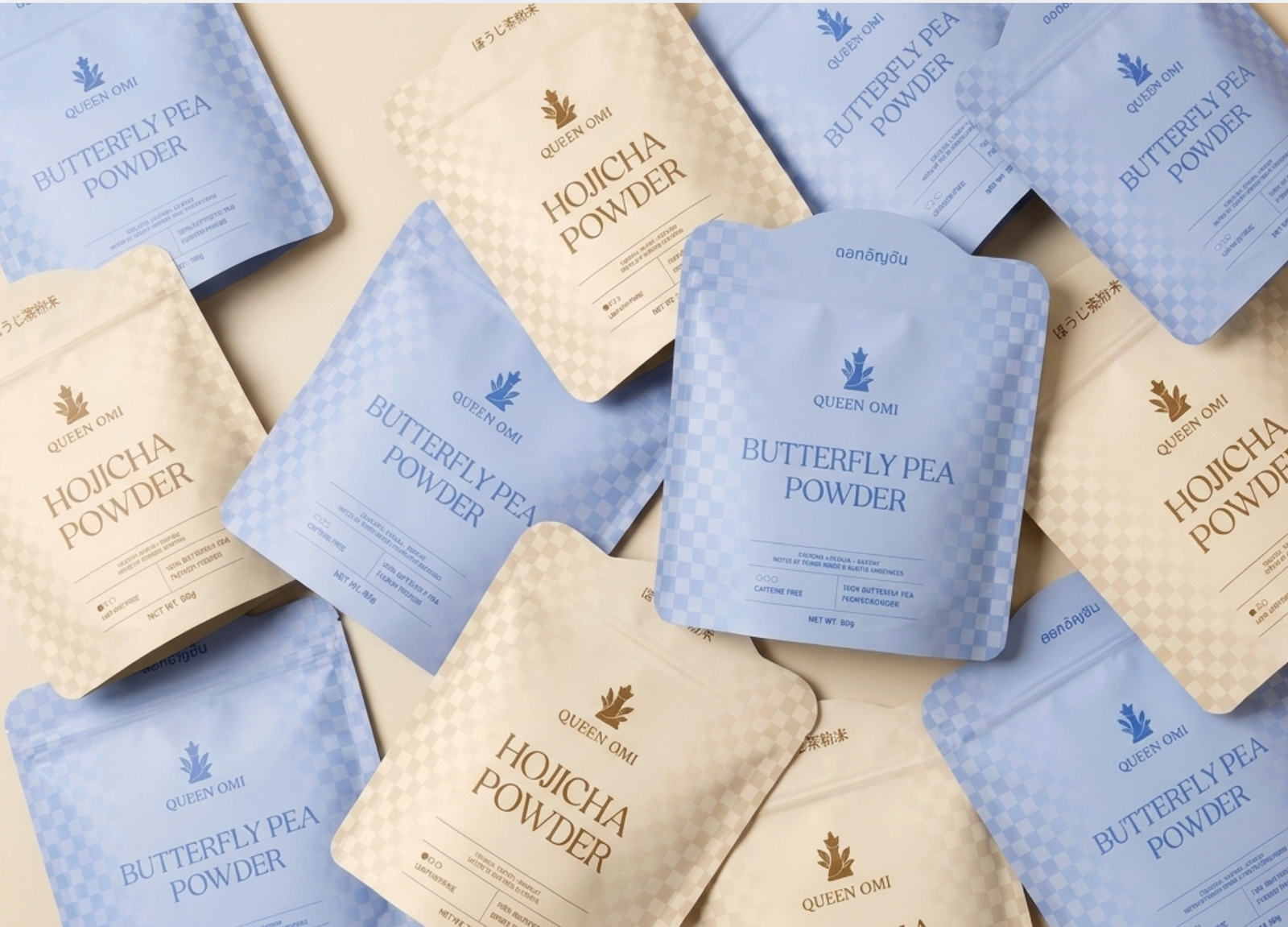
🍵 Queen Omi Organic Hojicha Okay, I need you to hear me on this. Hojicha is roasted Japanese green tea — low caffeine, rich in L-theanine, and it actually tastes incredible. This is what I reach for instead of that third coffee. It gives you the ritual without wrecking your nervous system. Trust me on this one. [Shop Queen Omi Organic Hojicha →] |
What This Doesn't Mean
I want to be clear: this is not an argument for achieving a 'perfectly clean' diet or eliminating all convenience foods. That pursuit can become its own source of stress — which is directly counterproductive. The goal is shifting the overall pattern, not achieving purity.
|
💙 Queen Omi Organic Butterfly Pea No caffeine. Packed with antioxidants. And it literally turns purple when you add lemon — I'm not joking, that's just what it does. Make this your evening ritual and tell your cortisol the workday is officially over. [Shop Queen Omi Organic Butterfly Pea →] |
Practical Swaps That Actually Stick
|
Ultra-Processed |
Less-Processed Alternative |
|
Packaged snack cakes |
Greek yogurt with fruit |
|
Frozen fried meals |
Sheet-pan roasted vegetables and protein |
|
Sugary cereal |
Oats with nuts and berries |
|
Soda |
Sparkling water with butterfly pea tea |
The Bottom Line
The connection between ultra-processed foods and cortisol isn't one thing — it's the cumulative effect of blood sugar volatility, inflammation, and gut health signals working together. Shifting the overall pattern of what makes up most of your meals is more effective than chasing individual ingredients. Progress, not perfection.
This article is for educational purposes only and is not a substitute for professional medical advice. If you think you have a hormone imbalance or are dealing with chronic stress symptoms, please talk to a licensed healthcare provider.