The Best Breakfast to Lower Cortisol (According to How the Hormone Actually Works)
Share
If you searched this, you've probably seen the reels: a woman holding a green smoothie, a caption about "cortisol face," a promise that one breakfast will fix your stress hormones. The reality is less dramatic and more useful.
Cortisol in the morning is supposed to be high
Your cortisol follows a daily curve. It rises sharply in the thirty to forty-five minutes after you wake — this is called the cortisol awakening response — then tapers across the day and bottoms out at night. That morning spike is not a malfunction. It's what gets you upright, mobilizes glucose, and sets your circadian rhythm for the day.
So the goal of a cortisol-friendly breakfast isn't to crush that peak. It's to avoid stacking additional stressors on top of a system that's already running its normal morning program.
The three things that actually matter
1. Eat something. Skipping breakfast entirely, or running on coffee alone until 1pm, means your body leans harder on stress hormones to keep blood sugar up. If you're chronically under-fueled in the morning, that's the first thing to fix — before any supplement or specialty powder.
2. Include protein and fat, not just fast carbs. A pastry and an oat milk latte spike blood glucose, then drop it. That drop is a physiological stressor, and it's part of why the 10:30am shakiness feels like anxiety. Twenty to thirty grams of protein with some fat blunts the curve.
3. Watch the caffeine timing more than the caffeine itself. Caffeine does raise cortisol acutely, and it does so most when you're already stressed or sleep-deprived. Drinking a large coffee on an empty stomach fifteen minutes after waking, on six hours of sleep, is the version of this that people feel. Eating first, and pushing coffee ninety minutes past waking, changes the experience for a lot of people.
A cortisol-friendly breakfast that isn't miserable
- Greek yogurt with berries, chia and a spoon of nut butter
- Two eggs with avocado on sourdough
- Overnight oats made with milk or a protein-fortified alternative, plus seeds
- Leftover salmon and rice, if you're not a breakfast-food person
None of these are exotic. That's the point.
The drink half of the equation
This is where most people have room to move. If your morning is coffee on an empty stomach and nothing else, the swap is worth trying:
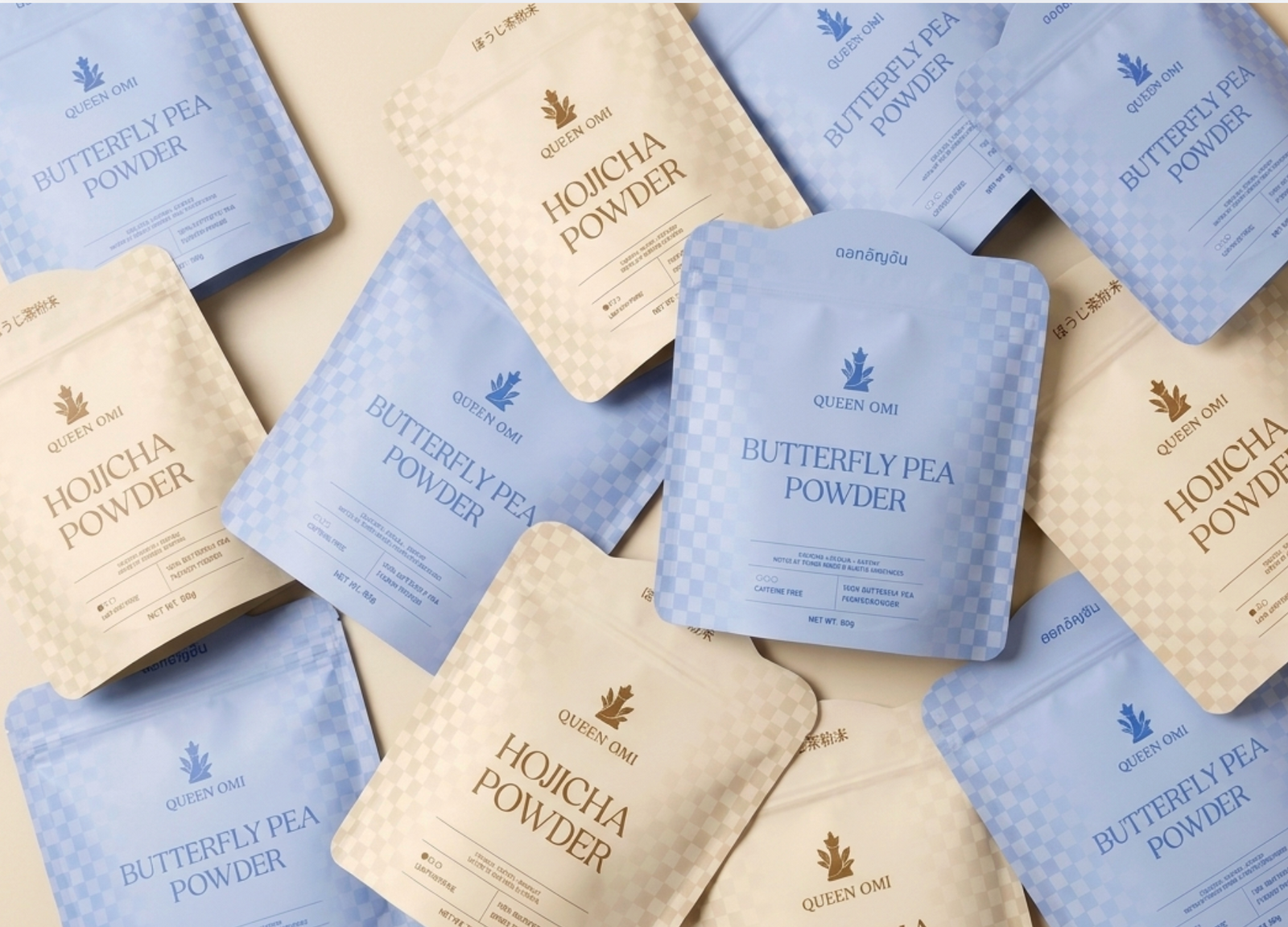
Hojicha is Japanese green tea roasted over charcoal. The roasting drops the caffeine substantially — well below coffee and below matcha — and gives it a toasty, almost cocoa-like flavour that holds up to milk. It's the realistic option for people who want to keep a warm caffeinated ritual without the jitter.
Butterfly pea flower tea is caffeine-free entirely, made from the indigo blooms of Clitoria ternatea. It's the one to reach for when you want the ritual with none of the stimulant, and the blue-to-violet colour shift when you add lemon is an oddly effective way to make a morning feel deliberate rather than rushed.
What won't work
No food lowers cortisol enough to override chronic sleep deprivation, untreated anxiety, or a genuinely overloaded schedule. If your cortisol is a real clinical concern — unexplained weight changes, persistent fatigue, blood pressure changes — that's a conversation with a doctor, not a breakfast.