What Is Cortisol Belly and How Is It Different From Regular Belly Fat?
Share
'Cortisol belly' sounds like another wellness buzzword someone invented to sell a supplement. And honestly, it has been used that way. But there's real biology underneath the marketing, and understanding it might actually explain something that's been frustrating you for a while.
The Real Mechanism
Cortisol influences where your body preferentially stores fat. Research has associated chronically elevated cortisol with increased visceral fat — the fat that accumulates around your abdominal organs, as opposed to subcutaneous fat stored just under the skin. This is documented. The mechanism is real. Your body is actively making decisions about fat storage based on your hormonal environment.
How It's Different From General Belly Fat
|
Cortisol-Driven Belly Fat |
General Caloric Surplus Belly Fat |
|
Primary driver: chronic stress and elevated cortisol |
Primary driver: consistent calorie surplus over time |
|
Fat type: more likely visceral, around organs |
Can be visceral or subcutaneous, more variable |
|
Often paired with sleep issues, cravings, anxiety |
May occur without other stress-related symptoms |
|
Helped most by: stress management plus sleep plus nutrition |
Helped most by: calorie balance plus movement |
And in reality — these categories overlap. Most people's abdominal weight gain involves both caloric factors and stress-related hormonal factors simultaneously. It's usually not either/or.
Why Visceral Fat Is Worth Taking Seriously Beyond Appearance
Visceral fat is metabolically active. It's associated with increased risk of insulin resistance and cardiovascular concerns. This isn't a cosmetic conversation — it's a health conversation. Which is why understanding what's driving it actually matters.
|
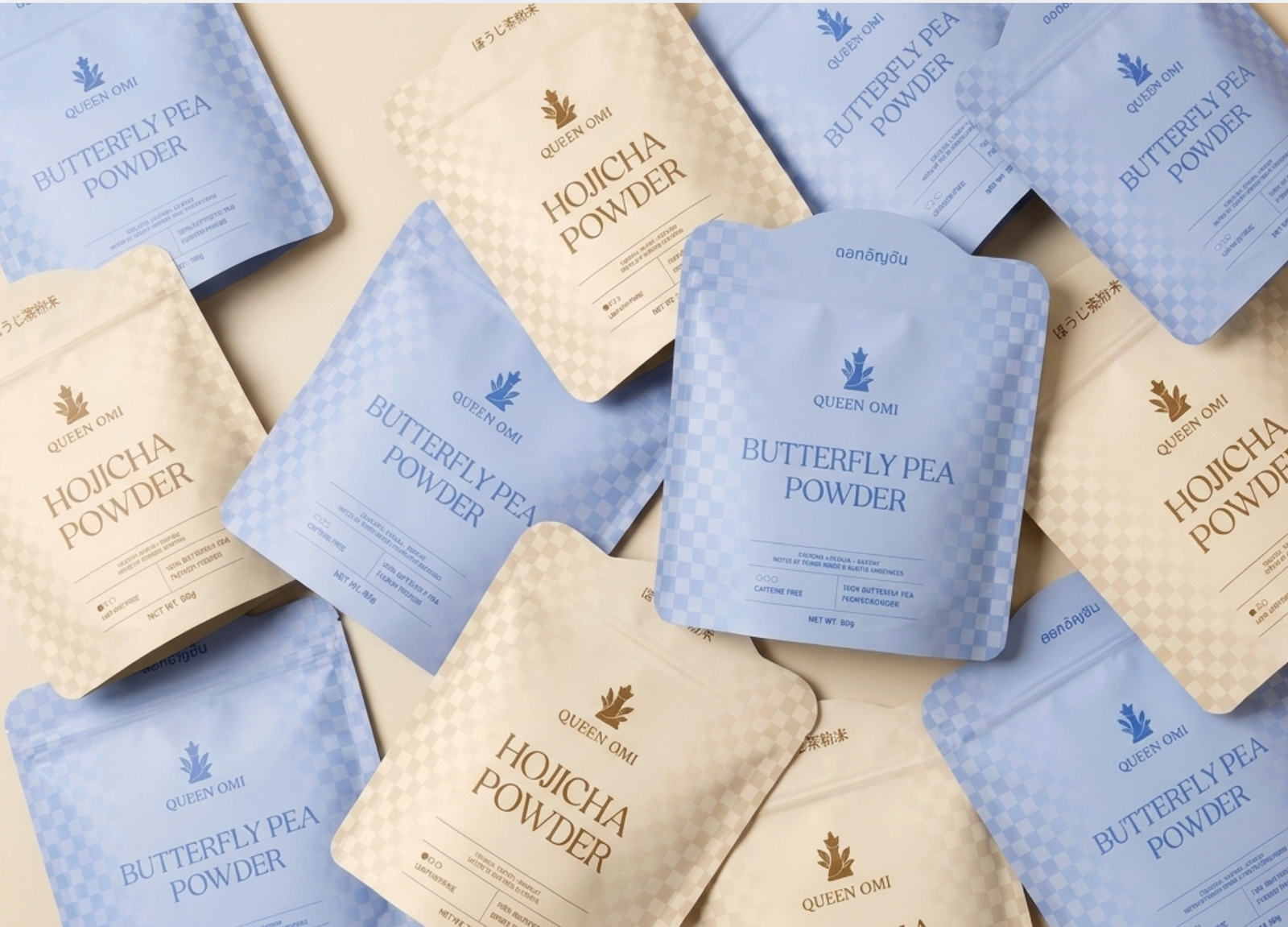
🍵 Queen Omi Organic Hojicha Okay, I need you to hear me on this. Hojicha is roasted Japanese green tea — low caffeine, rich in L-theanine, and it actually tastes incredible. This is what I reach for instead of that third coffee. It gives you the ritual without wrecking your nervous system. Trust me on this one. [Shop Queen Omi Organic Hojicha →] |
Signs It Might Be More Stress-Driven Than You Think
- Abdominal weight gain without a significant change in what you're eating
- Accompanying fatigue, sleep disruption, or persistent low-level anxiety
- Strong, specific cravings for sugar and refined carbs
- Weight concentrating in the midsection while other areas stay relatively stable
|
💙 Queen Omi Organic Butterfly Pea No caffeine. Packed with antioxidants. And it literally turns purple when you add lemon — I'm not joking, that's just what it does. Make this your evening ritual and tell your cortisol the workday is officially over. [Shop Queen Omi Organic Butterfly Pea →] |
What Actually Helps
Addressing cortisol belly means combining nutrition and movement with genuine stress management — sleep, moderate (not excessive) exercise, and stable blood sugar throughout the day. Caloric restriction alone often doesn't move this specific pattern because restriction is itself a physical stressor. Yes, that's another irony. This space is full of them.
The Bottom Line
Cortisol belly is a real physiological pattern, not just a social media concept. And it usually overlaps with general lifestyle factors rather than existing in isolation. Address both, simultaneously, and you'll see more progress than focusing on just one.
This article is for educational purposes only and is not a substitute for professional medical advice. If you think you have a hormone imbalance or are dealing with chronic stress symptoms, please talk to a licensed healthcare provider.