What Is 'Cortisol Face'? The TikTok Trend Explained
Share
'Cortisol face' took over the internet and suddenly everyone was staring at themselves in the bathroom mirror wondering if their cheeks looked different than last month. I get it. I've been there. So let's actually break down what's real, what's overstated, and what you should do with any of this information.
Where This Trend Came From
Cortisol face is not a medical diagnosis. It's a term that emerged from social media to describe a cluster of facial changes — puffiness, a rounder appearance, a certain dullness — that people associate with chronic stress and elevated cortisol. It went viral because a lot of people recognized themselves in it. That recognition is valid. The framing, as we'll get into, is imprecise.
What's Actually Biologically Real
- Fluid retention is real. Cortisol influences sodium and fluid balance, and elevated levels can cause water retention — including in the face — in some people.
- The clinical version exists. In Cushing's syndrome, a distinct medical condition involving genuinely excessive cortisol levels, fat redistribution to the face — called moon face — is a well-documented clinical sign. Real, established, documented.
- Sleep and skin are linked. Poor sleep, which is often stress-related, is independently associated with under-eye puffiness and a dull complexion. This is its own effect, separate from cortisol directly.
What's Overstated
The viral version implies that a stressful week can dramatically reshape your face in measurable ways. For most people experiencing normal life stress, this significantly overstates the case. The dramatic clinical facial changes associated with cortisol happen in the context of a diagnosable hormone disorder — not a hard month at work.
The Most Honest Way to Think About It
Cortisol face is a useful cultural shorthand for 'stress, sleep deprivation, and inflammation are showing up on my face.' That's real. The overnight transformation framing is not.
|
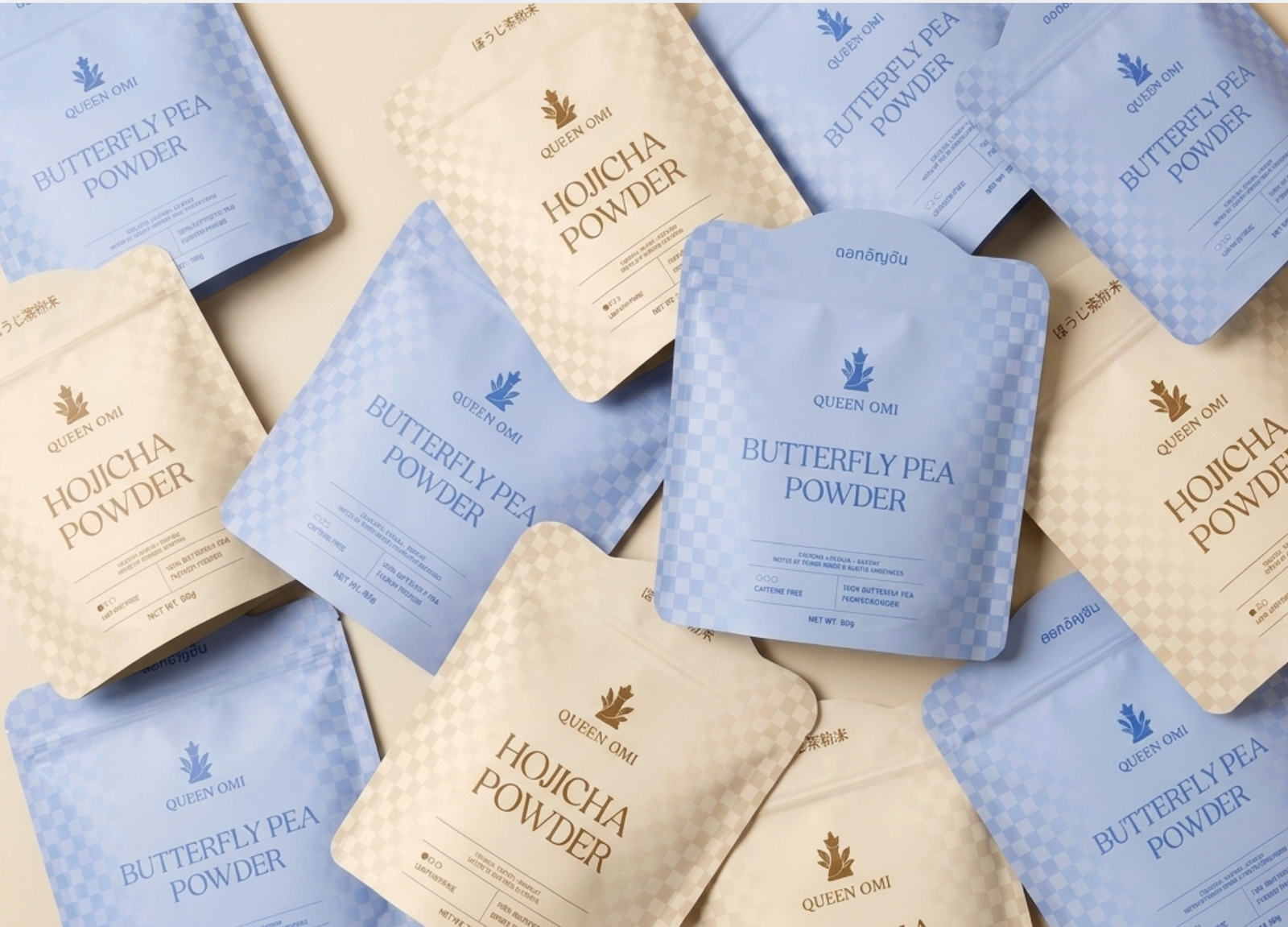
🍵 Queen Omi Organic Hojicha Okay, I need you to hear me on this. Hojicha is roasted Japanese green tea — low caffeine, rich in L-theanine, and it actually tastes incredible. This is what I reach for instead of that third coffee. It gives you the ritual without wrecking your nervous system. Trust me on this one. [Shop Queen Omi Organic Hojicha →] |
What I'd Actually Recommend
- Consistent, sufficient sleep — this is doing the most work here
- Reduce excess sodium and alcohol
- Stay genuinely hydrated throughout the day
- Sustainable stress management habits — not a three-day fix
|
💙 Queen Omi Organic Butterfly Pea No caffeine. Packed with antioxidants. And it literally turns purple when you add lemon — I'm not joking, that's just what it does. Make this your evening ritual and tell your cortisol the workday is officially over. [Shop Queen Omi Organic Butterfly Pea →] |
When to Actually See a Doctor
If facial changes are progressive, significant, or paired with other symptoms — unusual weight gain, easy bruising, muscle weakness, irregular periods — that combination warrants a medical evaluation, not a new skincare routine.
The Bottom Line
There's real biology here, packaged in a very viral, somewhat overstated way. Stress, sleep, and inflammation do affect how your face looks. The dramatic before-and-after transformation narrative is not the evidence-based version of this story.
This article is for educational purposes only and is not a substitute for professional medical advice. If you think you have a hormone imbalance or are dealing with chronic stress symptoms, please talk to a licensed healthcare provider.