Caffeine and Skin: Does Coffee Age You?
Share
The honest answer: it depends on how much, when, and what you're adding to it.
The case for coffee: Coffee is one of the largest dietary sources of antioxidants for many people, and some research links moderate coffee consumption to lower markers of inflammation. Topically, caffeine is also a common ingredient in eye creams for its temporary de-puffing effect (see our article on that specifically).
The case against overdoing it:
- Cortisol spikes — caffeine triggers cortisol release, and chronically elevated cortisol is linked to collagen breakdown and slower skin repair
- Dehydration, in high doses — caffeine has a mild diuretic effect; this matters more for people who aren't otherwise hydrating well
- Sleep disruption — afternoon or evening coffee can quietly erode the deep sleep stage where skin repair is concentrated
- What's added to it — sugar and cream turn a low-risk drink into a high-glycemic one; the glycation article in this Library covers why that matters for collagen specifically
So does coffee age you? In moderate amounts, timed earlier in the day, black or lightly dressed — the evidence doesn't support "coffee ages your skin" as a blanket claim. The aging risk shows up with high volume, late timing, and heavy sugar — the combination, not the coffee itself.
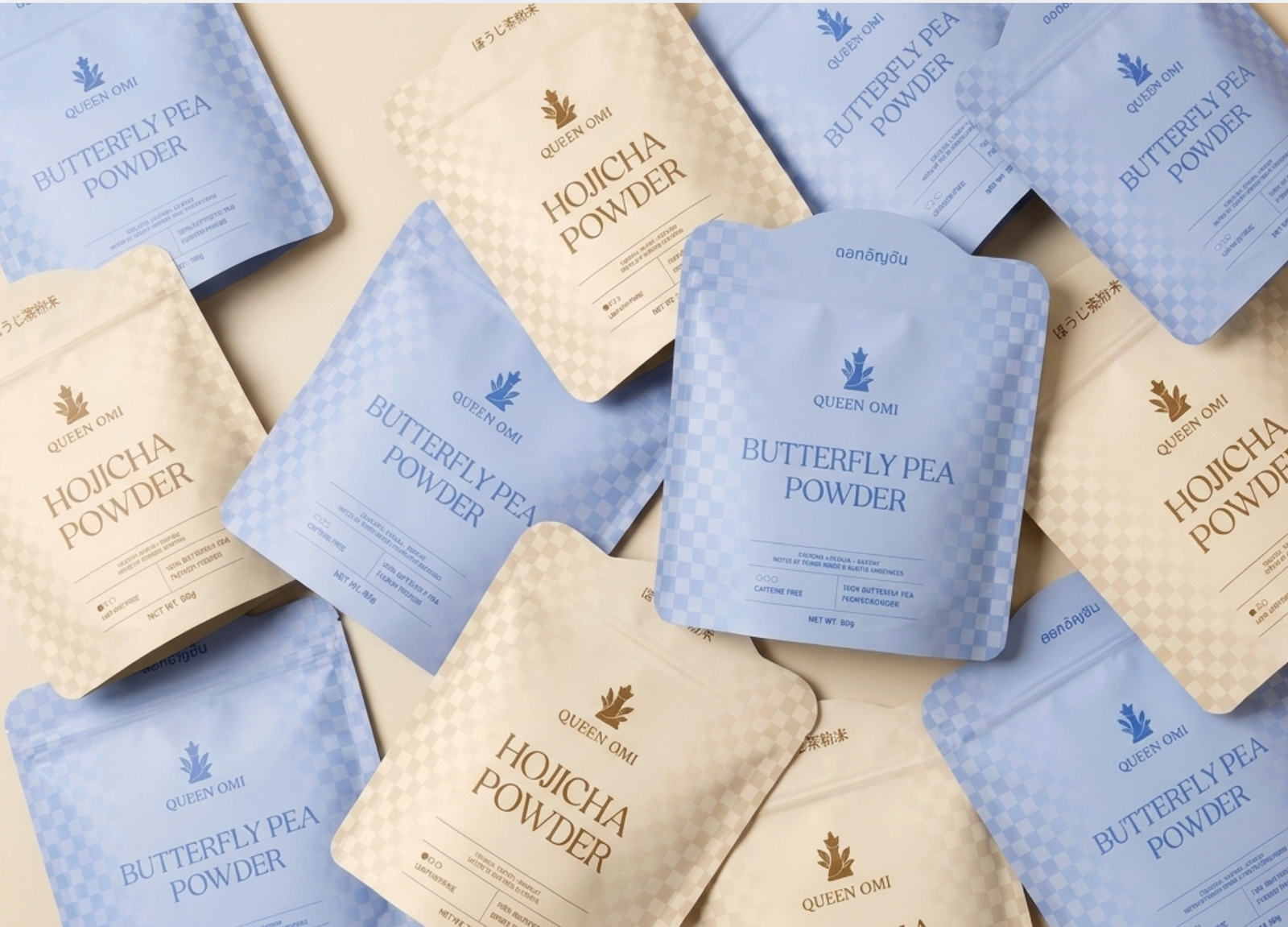
A practical reframe: Rather than cutting caffeine entirely, many people get the best of both by keeping coffee for the morning and switching to something gentler — like hojicha — for that second or third cup later in the day, when caffeine's cortisol and sleep costs start to outweigh its benefits.