Caffeine, Cortisol, and Anxiety: Is Your Coffee Habit Making Stress Worse?
Share
If you've ever felt your heart do something slightly alarming after a strong coffee, or noticed your thoughts getting faster and less organized after a large cold brew — that is not in your head. Caffeine, cortisol, and anxiety are genuinely connected, and for some people, the daily coffee habit is quietly adding fuel to a fire that did not need more fuel.
How These Three Are Connected
Caffeine stimulates your central nervous system and has a documented, if modest, short-term effect of raising cortisol. For most people operating at a calm baseline, this is simply alertness. For people who are prone to anxiety or already running on a chronically elevated stress response, that same stimulation can tip into jitteriness, racing thoughts, or a generalized sense of being on edge — because you're adding stimulation to a system that's already working overtime.
Signs Caffeine Might Be Amplifying Your Stress or Anxiety
- Heart racing, shakiness, or jitteriness specifically after coffee
- Racing thoughts or a spiral of worry that starts or gets worse after caffeine
- Feeling dependent on caffeine to function, then more depleted and anxious once it wears off
- Sleep that's already disrupted, made measurably worse if you have caffeine past a certain hour
Why Some People Are So Much More Sensitive Than Others
Genetic differences in how quickly your body metabolizes caffeine are real and significant — some people clear it twice as fast as others. The same cup of coffee has genuinely different staying power in different people's bodies. Add existing anxiety, sleep debt, and overall stress load on top of that, and you have a lot of variables that explain why two people can have the same coffee and have completely different experiences.
|
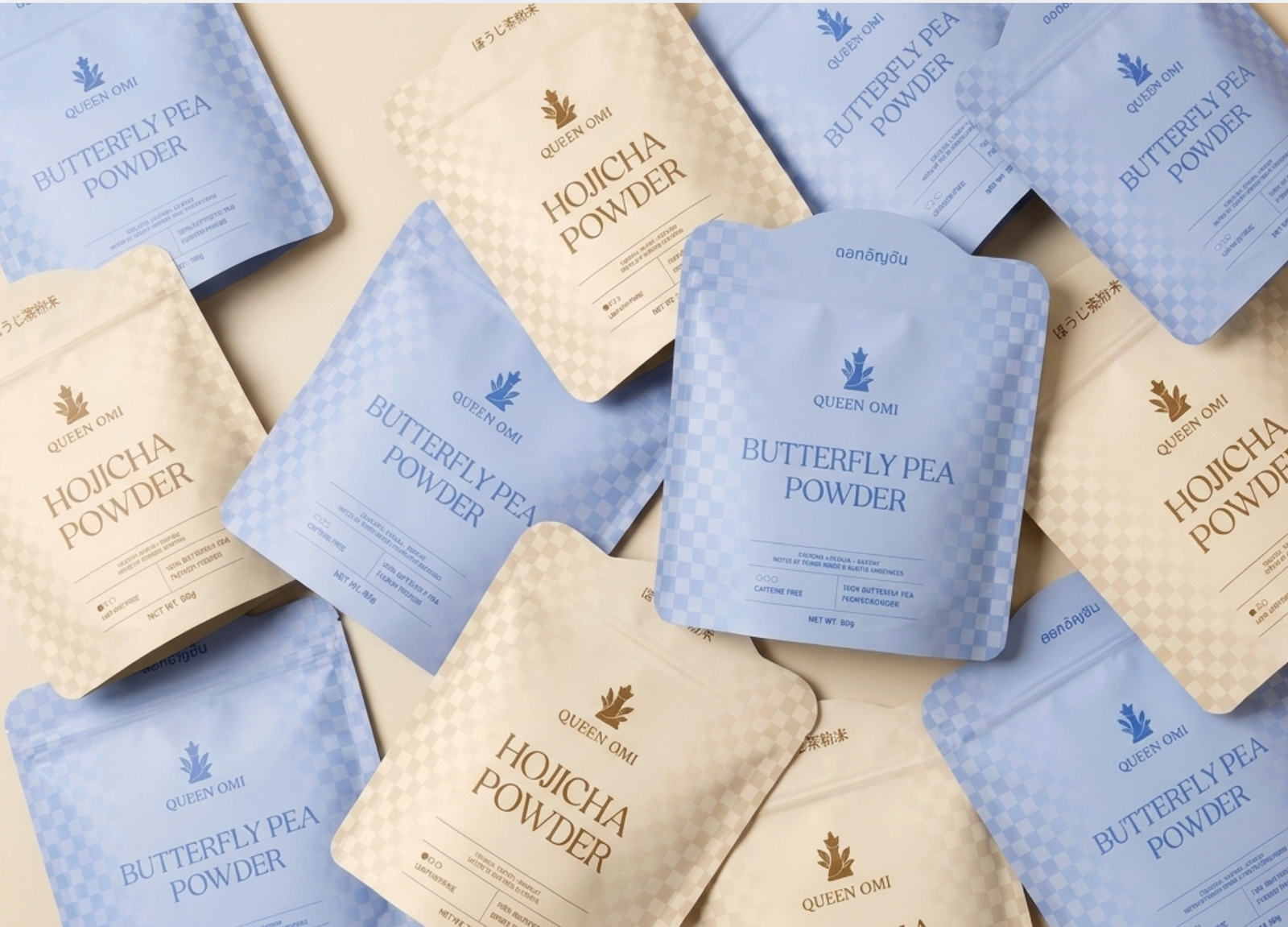
🍵 Queen Omi Organic Hojicha Okay, I need you to hear me on this. Hojicha is roasted Japanese green tea — low caffeine, rich in L-theanine, and it actually tastes incredible. This is what I reach for instead of that third coffee. It gives you the ritual without wrecking your nervous system. Trust me on this one. [Shop Queen Omi Organic Hojicha →] |
How to Find Your Personal Threshold
- Reduce total daily intake gradually rather than cold turkey — caffeine withdrawal is its own physical stressor and you do not need that right now
- Move your last caffeinated drink earlier in the day and pay attention to whether evening anxiety shifts
- Swap at least one cup for a lower-caffeine option and track how you actually feel over a week
- Notice whether your anxiety and caffeine intake genuinely correlate — some people are surprised by what they find
|
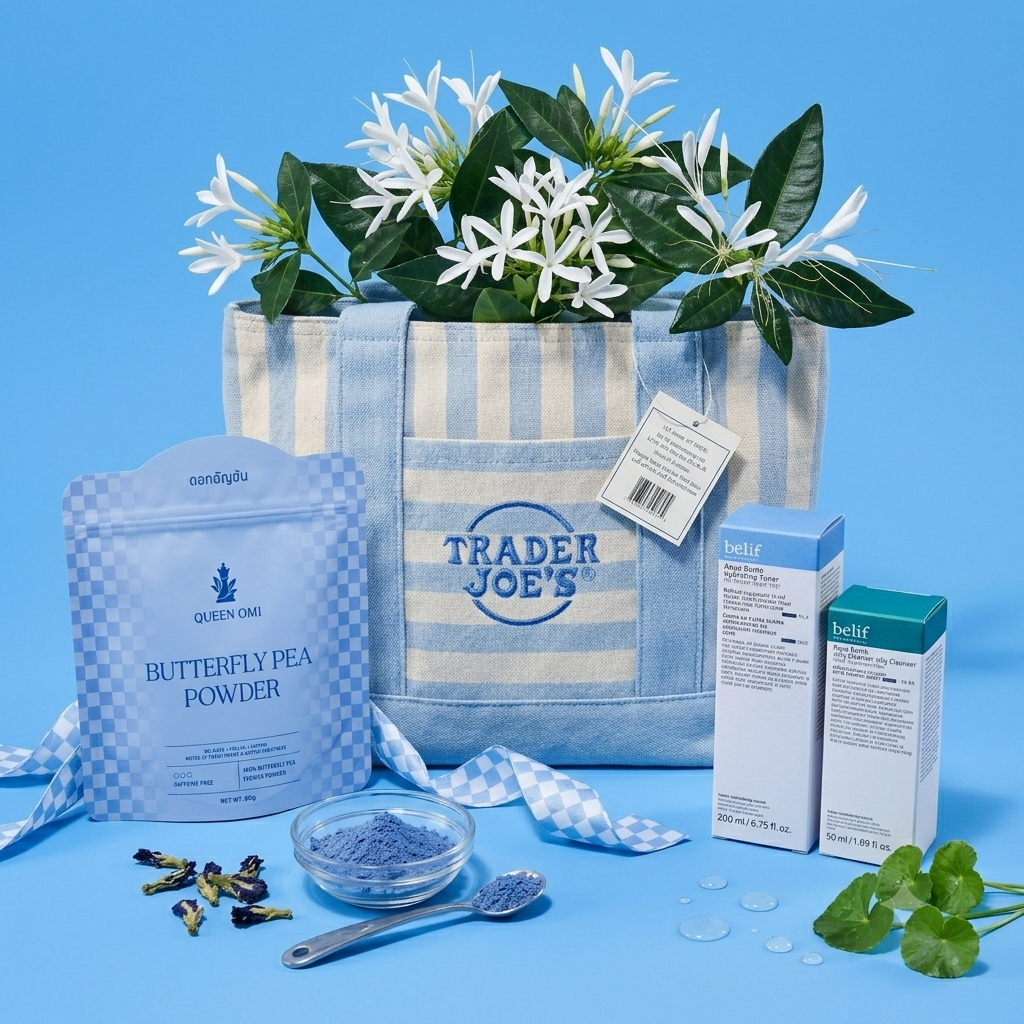
💙 Queen Omi Organic Butterfly Pea No caffeine. Packed with antioxidants. And it literally turns purple when you add lemon — I'm not joking, that's just what it does. Make this your evening ritual and tell your cortisol the workday is officially over. [Shop Queen Omi Organic Butterfly Pea →] |
When to Have a Real Conversation With Your Doctor
If caffeine consistently and reliably worsens your anxiety symptoms — or if you're managing a diagnosed anxiety disorder — this is worth discussing specifically with a healthcare provider. The interaction between anxiety, cortisol, and caffeine varies enough between individuals that personalized guidance is going to be more useful than any general recommendation, including this one.
The Bottom Line
Caffeine isn't universally anxiety-inducing. But for people who are sensitive or already under real stress, it can meaningfully amplify both cortisol and anxious feelings. Pay attention to your own pattern. It will tell you more than any rule will.
This article is for educational purposes only and is not a substitute for professional medical advice. If you think you have a hormone imbalance or are dealing with chronic stress symptoms, please talk to a licensed healthcare provider.