Cortisol Belly Diet: Foods That Help Target Stress-Related Weight Gain
Share
If midsection weight gain is tied to stress hormones, what you eat plays a real supporting role — not by magically burning belly fat directly, but by stabilizing the blood sugar patterns and inflammatory environment that influence how and where your body stores fat in the first place. This is the food strategy that actually makes sense for this specific pattern.
The Core Principles For This Specific Goal
1. Fiber Is Non-Negotiable
Fiber slows digestion, stabilizes blood sugar, and has been associated in research with reduced visceral fat accumulation specifically. This is the nutrient most people consistently under-eat and it's doing a significant amount of work in this context.
2. Do Not Under-Eat
I need you to hear this one. Severe caloric restriction elevates cortisol — which can actively work against reducing stress-related belly fat. Eating adequately and consistently is not a compromise. It's a strategy.
3. Protein at Every Meal
Supports satiety and muscle maintenance. Both relevant to a healthier body composition over time, regardless of which fat-storage mechanism you're dealing with.
4. Pull Back on Refined Sugar and Excess Alcohol
Both contribute to blood sugar volatility, and alcohol specifically disrupts the sleep that's already critical for cortisol regulation. These two are worth addressing before anything else.
Foods to Actually Emphasize
- Leafy greens — fiber, magnesium, and a signal to yourself that you're taking care of your body
- Fatty fish — omega-3s linked to reduced inflammation markers, consistent across the research
- Berries — fiber and antioxidants without a blood sugar spike
- Legumes — fiber and plant protein, deeply underrated and very versatile
- Nuts and seeds — magnesium, healthy fats, genuinely satisfying
- Fermented foods — gut health connects to the gut-brain-stress axis in ways science is actively figuring out
What a Day Actually Looks Like
- Breakfast: Greek yogurt, berries, ground flaxseed
- Lunch: big salad with chickpeas, salmon, olive oil and lemon
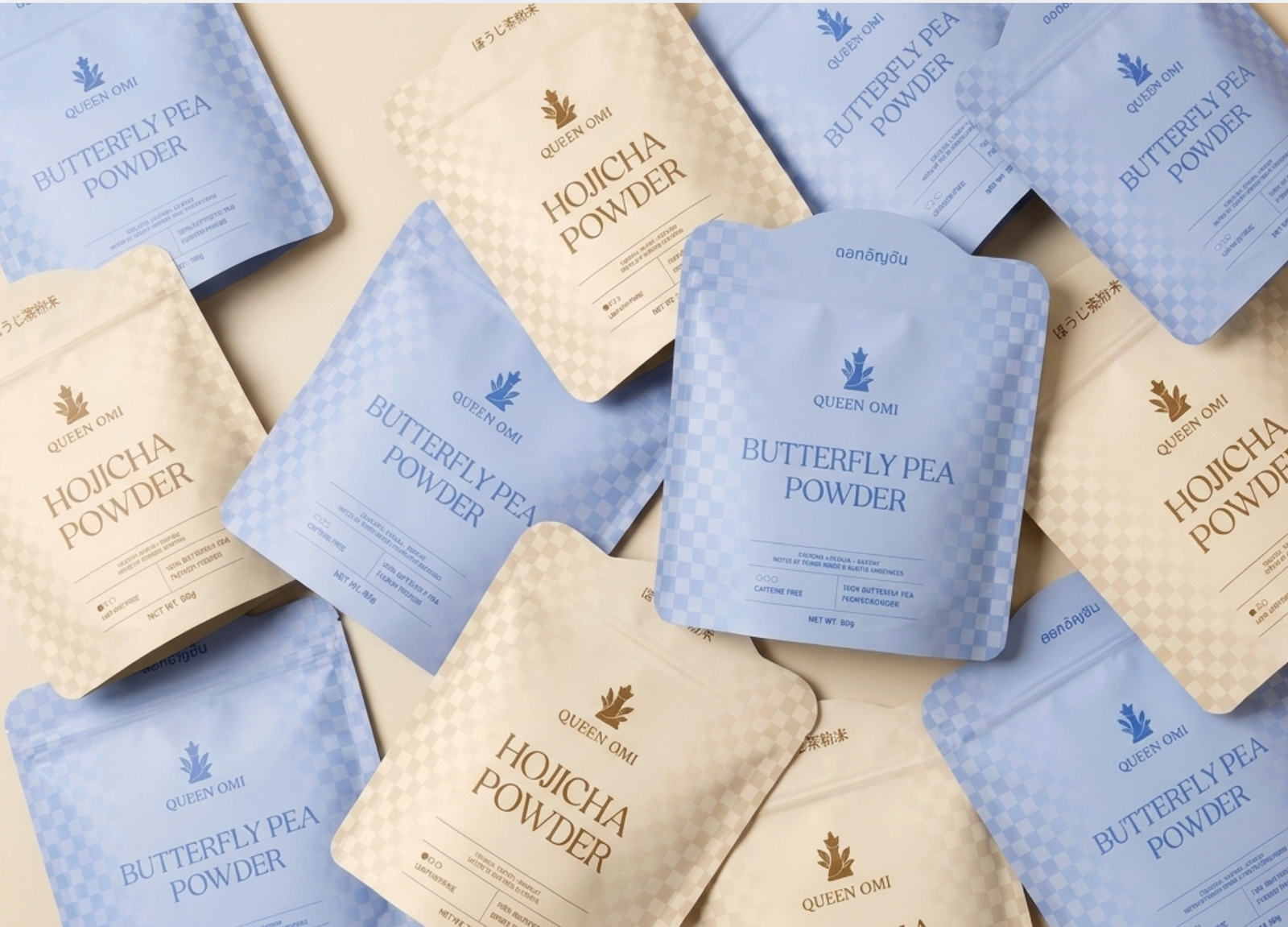
- Snack: handful of almonds and hojicha instead of a second coffee
- Dinner: grilled protein, roasted vegetables, quinoa
- Evening: butterfly pea tea instead of a sugary dessert — and actually mean it
What This Cannot Do Alone
Diet is a supporting player, not the whole cast. This works best alongside sleep, moderate exercise, and genuine stress management. The combination matters more than any single piece. If you're only changing the food and not addressing the sleep and stress, you're working with one hand tied behind your back.
The Bottom Line
Eating for cortisol belly isn't about restriction — it's about steady blood sugar, adequate fuel, and anti-inflammatory foods that support your body's stress response rather than quietly working against it. Feed your body like it's on your side. Because it is.
This article is for educational purposes only and is not a substitute for professional medical advice. If you think you have a hormone imbalance or are dealing with chronic stress symptoms, please talk to a licensed healthcare provider.