Estrogen and Skin Aging: What Changes at Perimenopause
Share
Meta title: Estrogen and Skin Aging: What Changes at Perimenopause | Queen Omi Meta description: Perimenopause brings real, measurable changes to skin — not just anecdotal ones. Here's what's happening and why.
Perimenopause often gets flagged for hot flashes and mood shifts, but skin changes are just as real and far less talked about.
What actually changes:
- Collagen and elastin decline as estrogen drops, leading to thinner, less elastic skin
- Reduced oil production — many women notice their skin goes from oily/combination to dry for the first time in their lives
- Slower cell turnover, which can mean duller-looking skin and more visible texture
- Increased sensitivity — skin that never reacted to products before may suddenly become reactive
Why this catches people off guard: Most skincare education is built around either acne-prone younger skin or generic "anti-aging," with very little that addresses this specific hormonal transition. That gap is part of why we built this Library.
What helps: Richer moisturizers, gentler actives, and — internally — supporting the systems that are already under load. Sleep and stress regulation both influence how visibly skin reflects hormonal change; poor sleep and high cortisol can make perimenopausal skin symptoms more pronounced, not less.
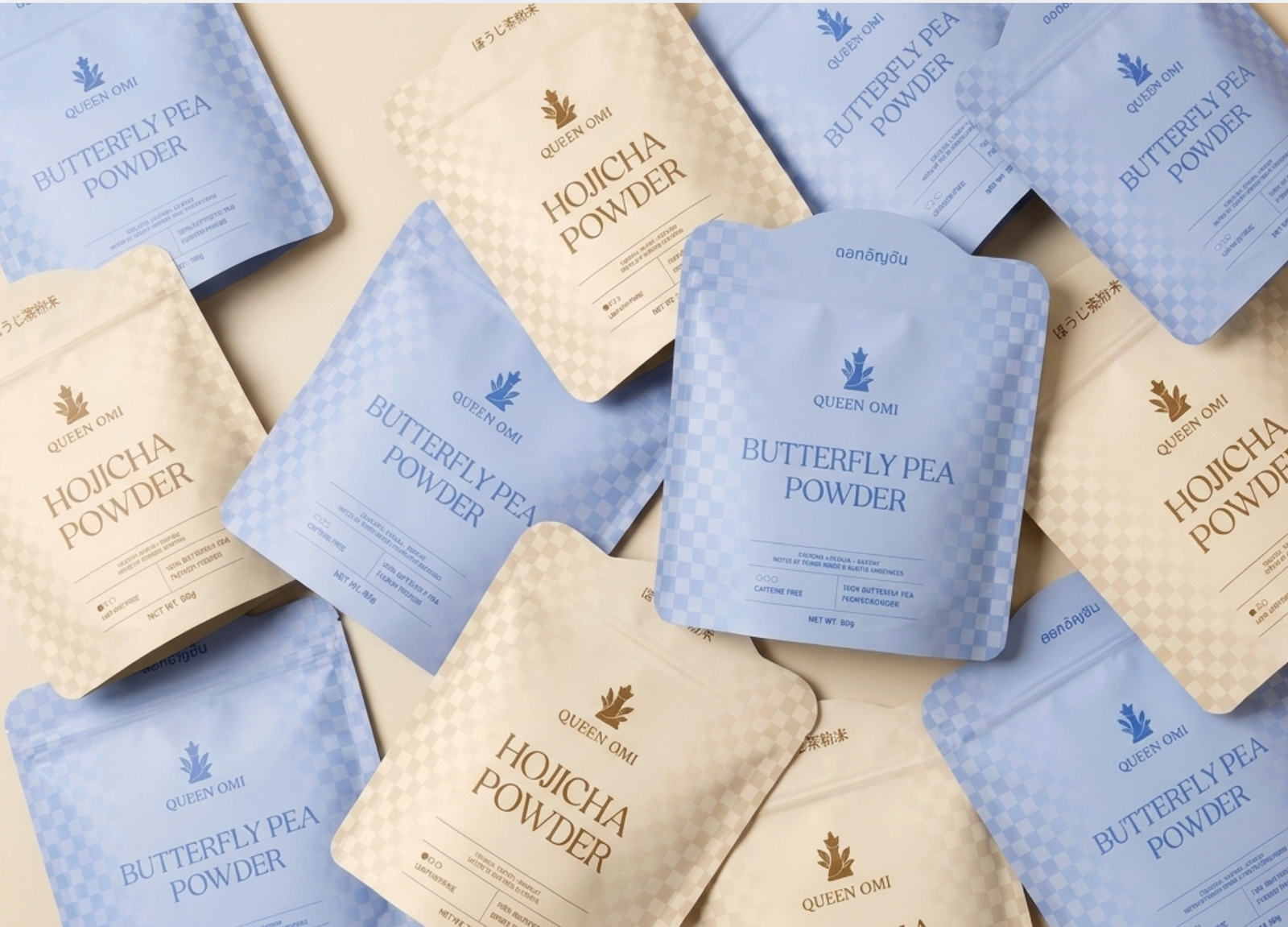
A small daily shift: If your afternoon habit is a second or third coffee, that caffeine load can compound the cortisol swings already happening during this transition. A lower-caffeine ritual, like hojicha, gives you the warmth and pause of a coffee break without adding fuel to an already-taxed stress system.
Perimenopause isn't a skin failure — it's a hormonal transition your skin is honestly reporting on.