How Much Caffeine Is Too Much for Skin/Sleep/Longevity?
Share
Caffeine isn't the villain it's sometimes made out to be — moderate intake has real, research-backed benefits. But "how much is too much" depends on more than just a daily milligram count.
The general guideline: Most health authorities put safe daily intake for healthy adults around 400mg — roughly 3–4 cups of coffee. But that ceiling doesn't account for timing, individual sensitivity, or cumulative effects on sleep and cortisol.
Why timing matters as much as amount: Caffeine has a half-life of about 5–6 hours, meaning half of a 3pm coffee's caffeine is still active in your system at 8–9pm. Even if you fall asleep fine, that lingering caffeine can reduce the amount of deep sleep you get — the exact stage where collagen-supportive repair happens (see our Sleep and Collagen article).
The skin and cortisol connection: Caffeine triggers a mild cortisol response — useful for the morning alertness boost, less useful if it's compounding an already-elevated stress load later in the day. For people already dealing with high baseline cortisol, sugar cravings, or poor sleep, that extra afternoon spike can be one input too many.
A more useful framework than "mg per day": Think in terms of your sensitivity and timing, not just total volume. Many people do fine with two strong coffees in the morning but struggle with even one in the afternoon.
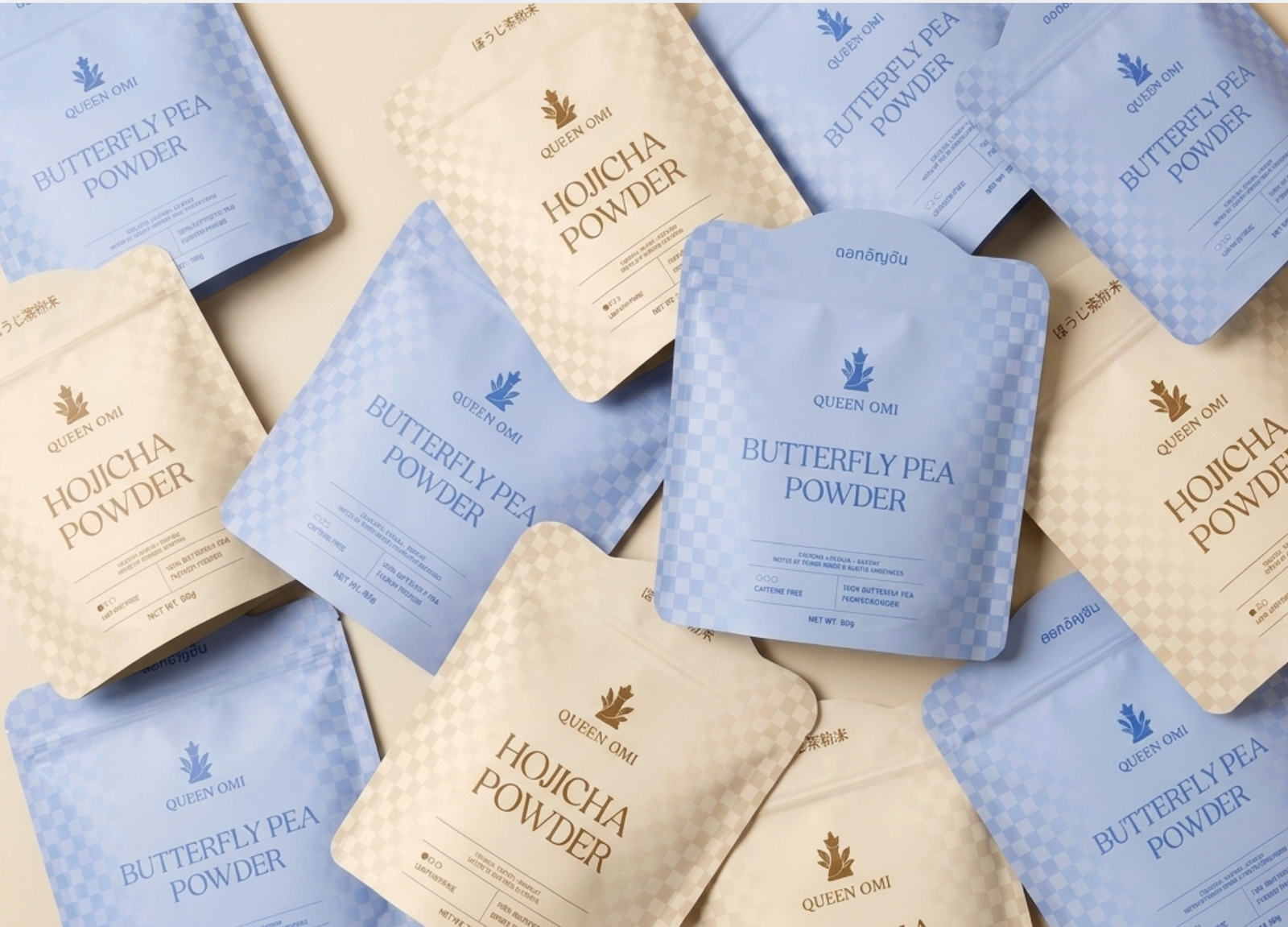
Where lower-caffeine options fit: This is exactly the gap Queen Omi's hojicha is built for — it delivers the ritual, warmth, and gentle lift of a tea or coffee break, but with meaningfully less caffeine than green tea or coffee, so an afternoon cup doesn't come at the cost of tonight's deep sleep.