How to Still Enjoy Coffee Without Spiking Cortisol
Share
I want to start by saying something clearly: you do not have to give up coffee. Nobody reputable is telling you to give up coffee. What I'm about to share is not a deprivation plan. It's a smarter relationship with something you already love — one that lets you keep the ritual while stopping your coffee habit from doing things to your stress hormones that aren't serving you.
Seven adjustments. All reasonable. None of them require your coffee to disappear.
1. Wait 60 to 90 Minutes After Waking
Let your body's natural cortisol peak — the one that actually woke you up — do its thing before you add caffeine on top. You're not delaying coffee. You're timing it for when it will work better and last longer. The same cup, more effective.
2. Do Not Have It on an Empty Stomach
Pairing coffee with food blunts the stimulant effect and slows caffeine absorption. Even something small — a handful of nuts, a piece of toast, anything. This is one of the highest-impact small changes you can make and it costs you nothing.
3. Know Your Total Daily Amount
The cortisol concern isn't your morning cup — it's the stacking. Multiple coffees plus energy drinks plus pre-workout before noon is a very different physiological situation than one or two cups timed well. Know what you're actually consuming across the whole day.
4. Swap the Afternoon Cup for Something That Still Feels Like a Ritual
The second or third coffee is usually doing less for your energy and more for your cortisol and your sleep quality than the first one. Swap it for something with lower caffeine and you keep the warmth, the pause, the ritual — without the stimulant compounding.
5. Know Your Caffeine Cutoff Time
Caffeine has a half-life of roughly five to six hours for most people. A 3pm coffee is still active in your system at 9pm. If you're wondering why your sleep is disrupted and your next-day cortisol is elevated, look at what time you had your last caffeinated drink.
6. Actually Pay Attention to How You Feel
Track whether your current amount and timing leave you energized or jittery and anxious. You are the data. Adjust based on what your own body is telling you rather than defaulting to a fixed number someone else decided was fine.
7. Give Your Evening a Different Signal Entirely
Replace a stimulating evening habit — answering email with coffee, scrolling with a caffeinated drink — with something that tells your nervous system the day is actually over. Make that transition intentional and physical.
A Realistic Daily Framework
|
Time |
The Move |
|
Wake up |
Water, light, breakfast — no caffeine yet |
|
60-90 minutes after waking |
First coffee, ideally with or after food |
|
Early afternoon |
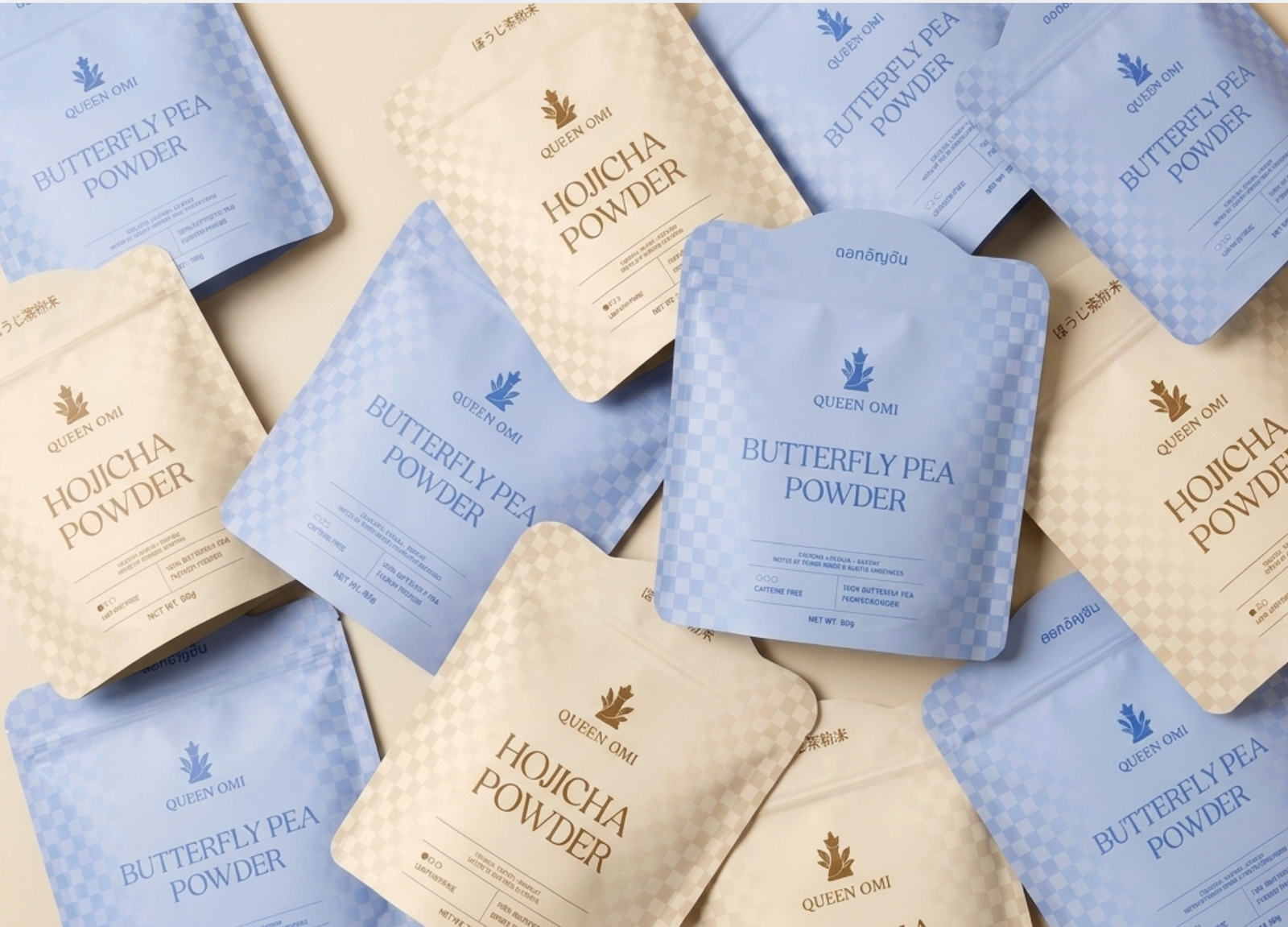
Hojicha instead of a second coffee |
|
Evening |
Butterfly pea tea, no caffeine, full wind-down |
The Bottom Line
Enjoying coffee and supporting a healthier cortisol pattern are not in conflict with each other. Smart timing, moderate amounts, and a few intentional swaps let you keep the thing you love while treating your nervous system significantly better. That's not restriction. That's just a more sophisticated relationship with caffeine — and you deserve that.
This article is for educational purposes only and is not a substitute for professional medical advice. If you think you have a hormone imbalance or are dealing with chronic stress symptoms, please talk to a licensed healthcare provider.