Sleep vs Cortisol: The Vicious Cycle
Share
Cortisol and sleep are locked in a feedback loop, and it runs in both directions.
How it works: Cortisol is supposed to follow a daily rhythm — high in the morning to wake you up, low at night so your body can rest. Chronic stress disrupts that rhythm, keeping cortisol elevated later into the evening. That elevated cortisol makes it harder to fall asleep and reduces the amount of deep, restorative sleep you get. Poor sleep, in turn, raises cortisol the next day — because sleep deprivation is itself a stressor your body responds to hormonally.
Why this matters for skin and aging: Both cortisol and sleep independently affect collagen production, skin barrier repair, and inflammation. When they're both working against you at once, the effects compound — this is part of why chronic stress and chronic poor sleep tend to show up on the face faster than either one alone.
Breaking the loop: The most effective interventions target both sides at once — a wind-down routine that lowers cortisol and protects sleep quality. This is where afternoon and evening caffeine intake matters more than people think: caffeine has a half-life of roughly 5–6 hours, meaning a 3pm coffee can still be affecting your system at bedtime, keeping cortisol elevated when it should be tapering off.
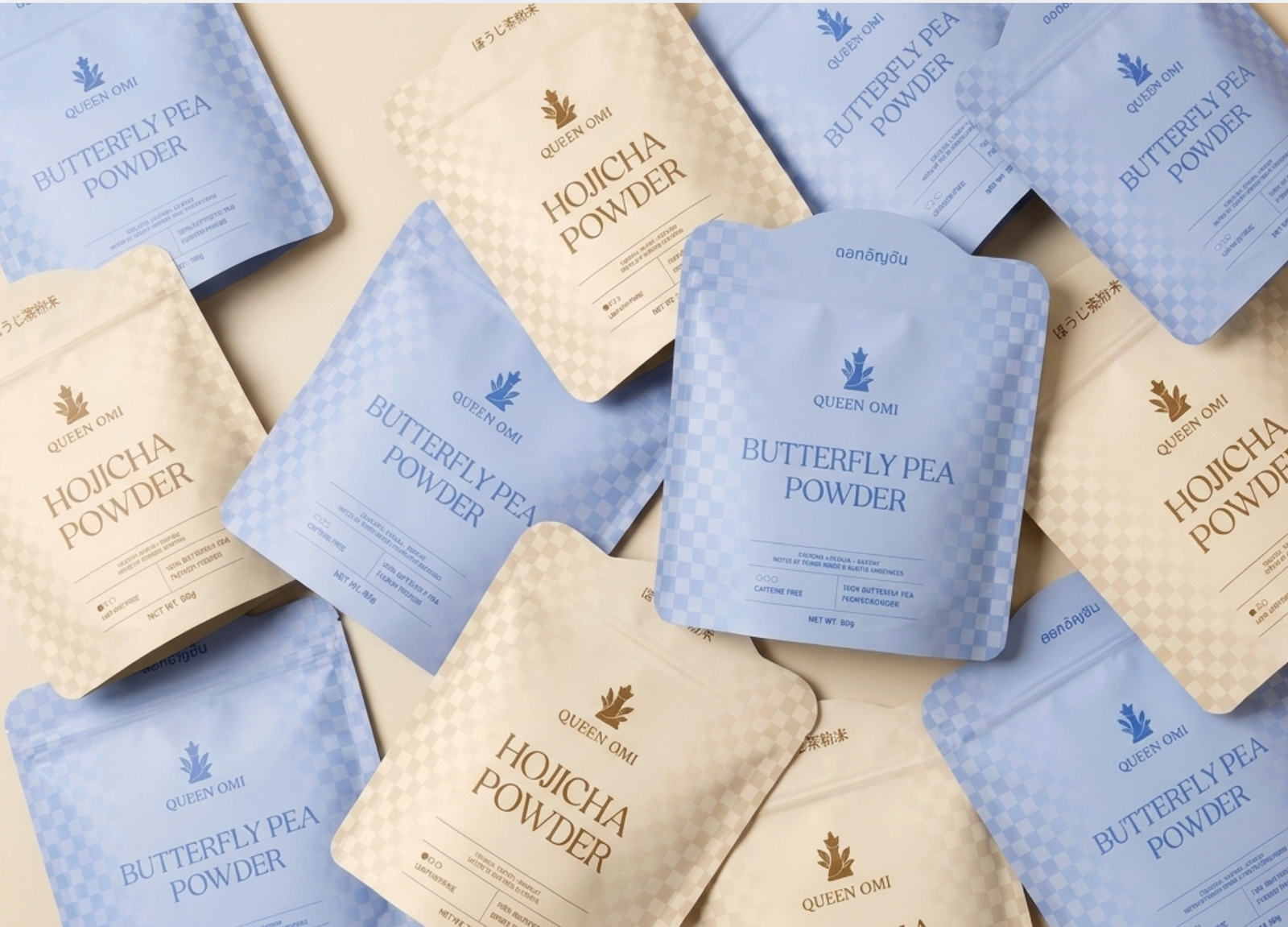
A gentler alternative: Queen Omi's hojicha is roasted specifically to reduce caffeine content compared to green tea or coffee, making it a more sleep-friendly way to keep an afternoon ritual without extending cortisol's active window into the evening.