The Best Time to Drink Coffee Based on Your Cortisol Levels
Share
The 'delay your coffee' recommendation has been making the rounds in wellness spaces for a while now — and unlike a lot of wellness advice, this one actually has real science supporting it rather than just a compelling aesthetic. Here's a practical breakdown of when timing genuinely matters and when you have more flexibility than you think.
Why Timing Is the Real Variable
Drinking coffee during your natural cortisol peak — which happens in the first hour or so after waking — compounds two stimulating forces at the same moment. Shifting that same cup to when cortisol is naturally starting to decline tends to produce a smoother, more sustained energy effect from the exact same amount of caffeine.
A Practical Guide to Coffee Timing
|
Window |
What to Do |
|
0-30 minutes after waking |
Hold off — your cortisol is peaking and doing its job already |
|
60-90 minutes after waking |
This is your ideal first coffee window — let the natural peak ease first |
|
Midday |
A second cup is fine here — consider something lower-caffeine if you're sensitive |
|
Mid-to-late afternoon |
Switch to decaf or caffeine-free to protect tonight's sleep |
|
Evening |
Hojicha or butterfly pea tea — tell your nervous system the day is done |
|
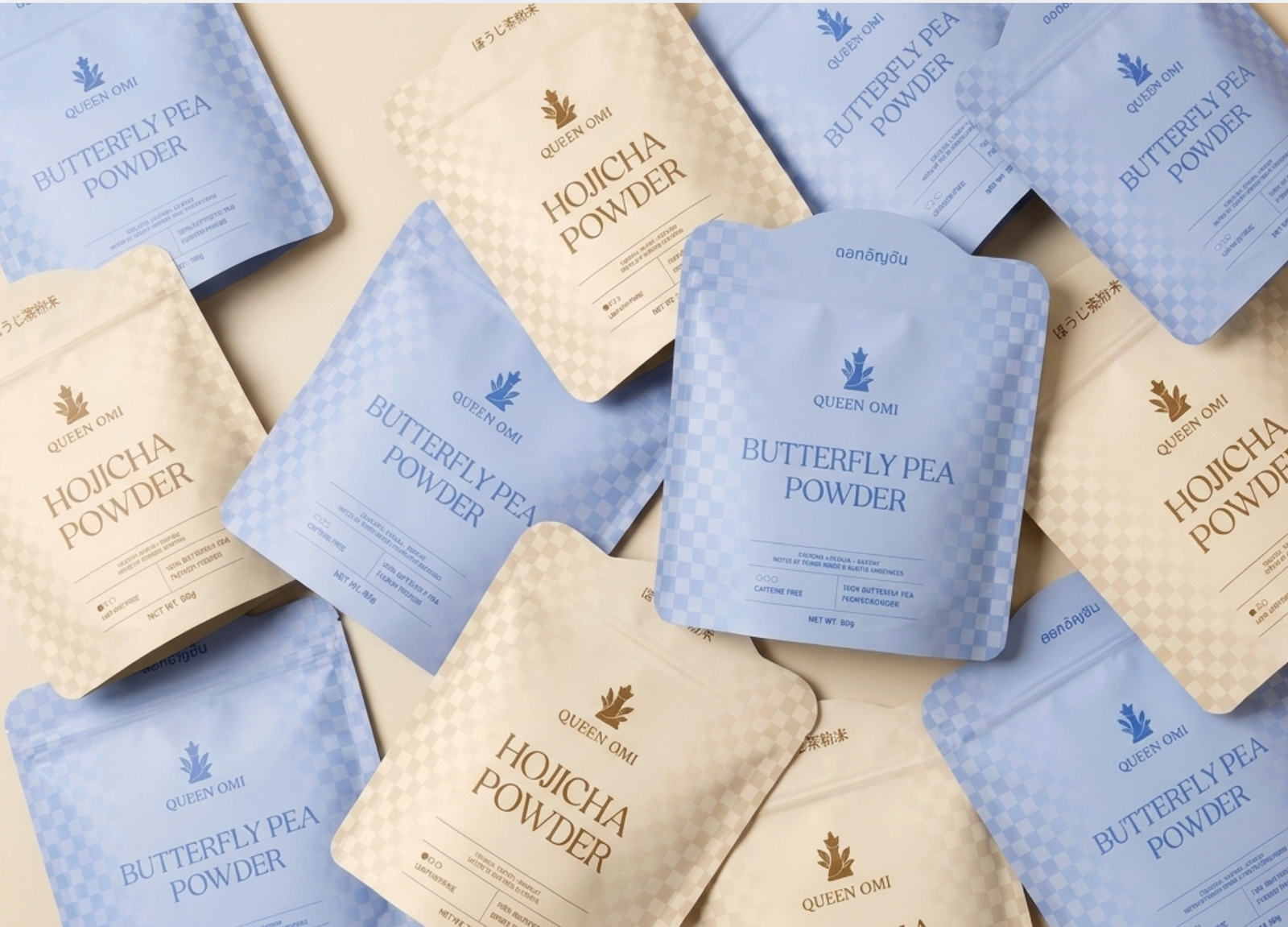
🍵 Queen Omi Organic Hojicha Okay, I need you to hear me on this. Hojicha is roasted Japanese green tea — low caffeine, rich in L-theanine, and it actually tastes incredible. This is what I reach for instead of that third coffee. It gives you the ritual without wrecking your nervous system. Trust me on this one. [Shop Queen Omi Organic Hojicha →] |
What to Do When the 90-Minute Wait Isn't Realistic
Life does not always accommodate an optimized caffeine schedule. If the full delay isn't possible — maybe you have a 7am meeting or you're a parent and the concept of a relaxed morning is genuinely funny to you — a few smaller adjustments still move the needle:
- Eat something before or with your coffee, even something small — it blunts the stimulant effect
- Keep the first cup smaller and save a fuller cup for a little later
- Hydrate first — even one glass of water before you reach for the coffee
The Afternoon Trap That Keeps People Stuck
This pattern is so common: morning coffee, mid-morning crash, second coffee, afternoon slump, third coffee, trouble sleeping, more fatigue the next day, more coffee. The exit point from this loop is almost always the afternoon. Swapping that second or third coffee for something that keeps the ritual but reduces the stimulant load tends to break the cycle more effectively than anything else.
|
💙 Queen Omi Organic Butterfly Pea No caffeine. Packed with antioxidants. And it literally turns purple when you add lemon — I'm not joking, that's just what it does. Make this your evening ritual and tell your cortisol the workday is officially over. [Shop Queen Omi Organic Butterfly Pea →] |
The Bottom Line
You don't need to obsess over the exact minute. But a general shift — first coffee after breakfast rather than before it, something gentler in the afternoon, nothing caffeinated by early evening — tends to smooth out your energy and your cortisol curve across the whole day. One adjustment. Meaningful difference.
This article is for educational purposes only and is not a substitute for professional medical advice. If you think you have a hormone imbalance or are dealing with chronic stress symptoms, please talk to a licensed healthcare provider.