Why Women's Cortisol Levels Spike Differently Than Men's
Share
Here's something I think about a lot: the majority of foundational stress research was conducted on male subjects. Which means most of the generic advice you've received about managing stress — 'just exercise more,' 'try meditation,' 'drink less coffee' — was developed without accounting for the fact that women's hormonal landscape is significantly more dynamic. And cortisol doesn't operate in isolation. It interacts with estrogen, progesterone, and a cycle that shifts week to week.
So if standard stress advice has never quite fit for you, that's not you. That's a gap in the research.
The Estrogen and Cortisol Connection
Estrogen influences cortisol-binding globulin — a protein that affects how much active cortisol is circulating in your body at any given moment. As estrogen shifts, across your cycle, during perimenopause, after menopause, the way your body regulates cortisol shifts too. This isn't a minor footnote. It changes everything about how you experience stress.
What's Different for Women
- Your stress reactivity shifts across your cycle. The same situation can feel totally manageable in your follicular phase and genuinely overwhelming in your luteal phase. You are not overreacting. Your hormonal environment is different.
- Perimenopause and menopause: as estrogen declines, the cortisol buffering system changes — which partly explains the increased sleep disruption, anxiety, and midsection weight gain that often accompany this transition
- The postpartum period: the dramatic hormonal shift after childbirth directly affects your HPA axis, contributing to the vulnerability to mood changes that many women experience
- The invisible labor load: not hormonal, but real — women disproportionately carry the cognitive and caregiving load that functions as a chronic, low-grade stressor that never fully clocks out
What This Means in Practice
Your stress tolerance is not constant. It has a rhythm. Tracking your cycle alongside your energy levels and stress patterns can reveal patterns that make everything — from scheduling difficult conversations to planning workout intensity — so much easier. Knowledge is power here.
|
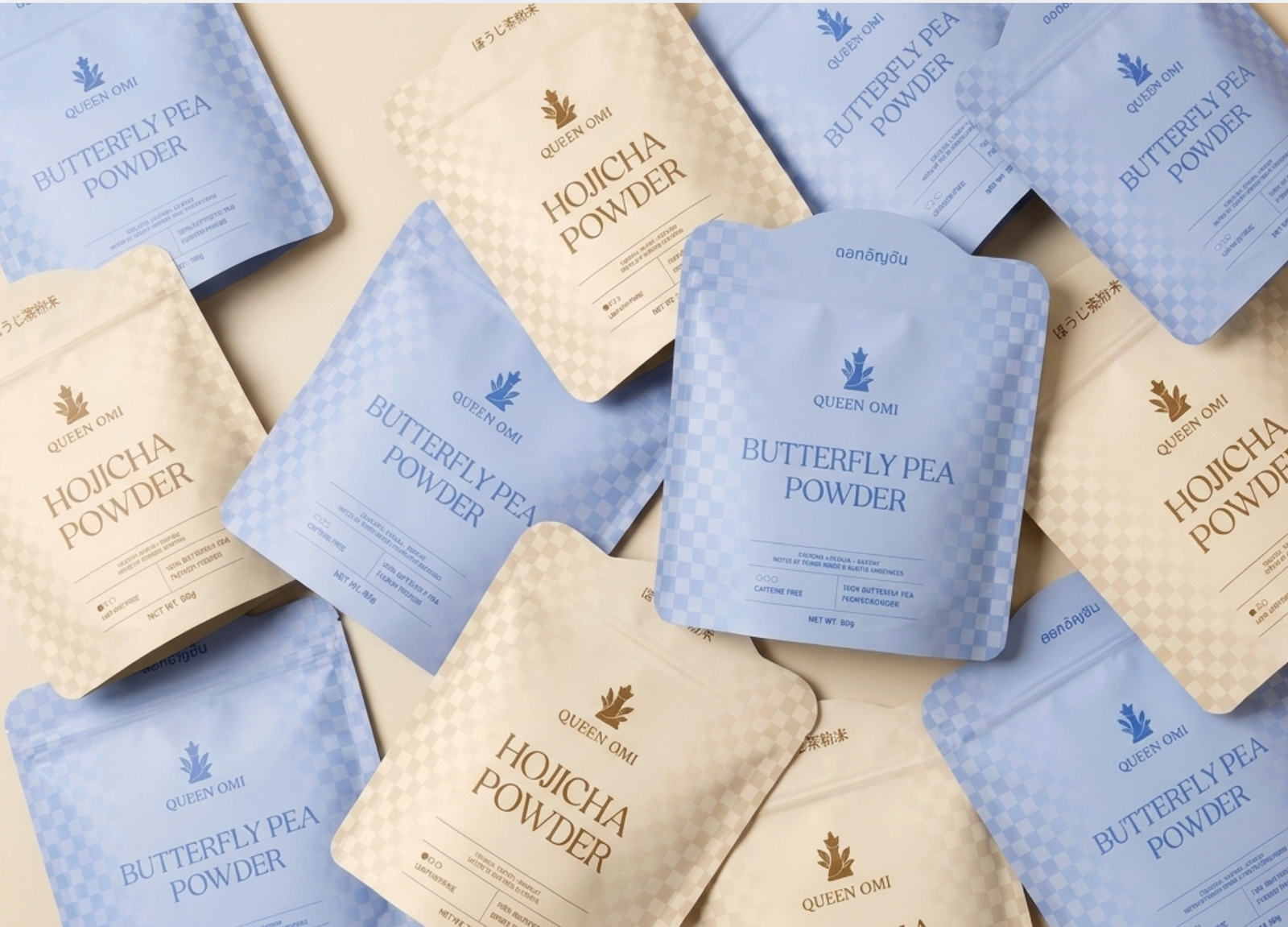
🍵 Queen Omi Organic Hojicha Okay, I need you to hear me on this. Hojicha is roasted Japanese green tea — low caffeine, rich in L-theanine, and it actually tastes incredible. This is what I reach for instead of that third coffee. It gives you the ritual without wrecking your nervous system. Trust me on this one. [Shop Queen Omi Organic Hojicha →] |
Habits That Actually Help
- Adjust your workout intensity around your cycle rather than forcing the same effort every week regardless of where you are
- Prioritize magnesium and B-vitamins, especially in the luteal phase when your body needs more support
- Build in non-negotiable rest during high-caregiving seasons — not as a luxury, as a health strategy
- Track your symptoms over a few cycles — patterns are so much easier to address than mysteries
|
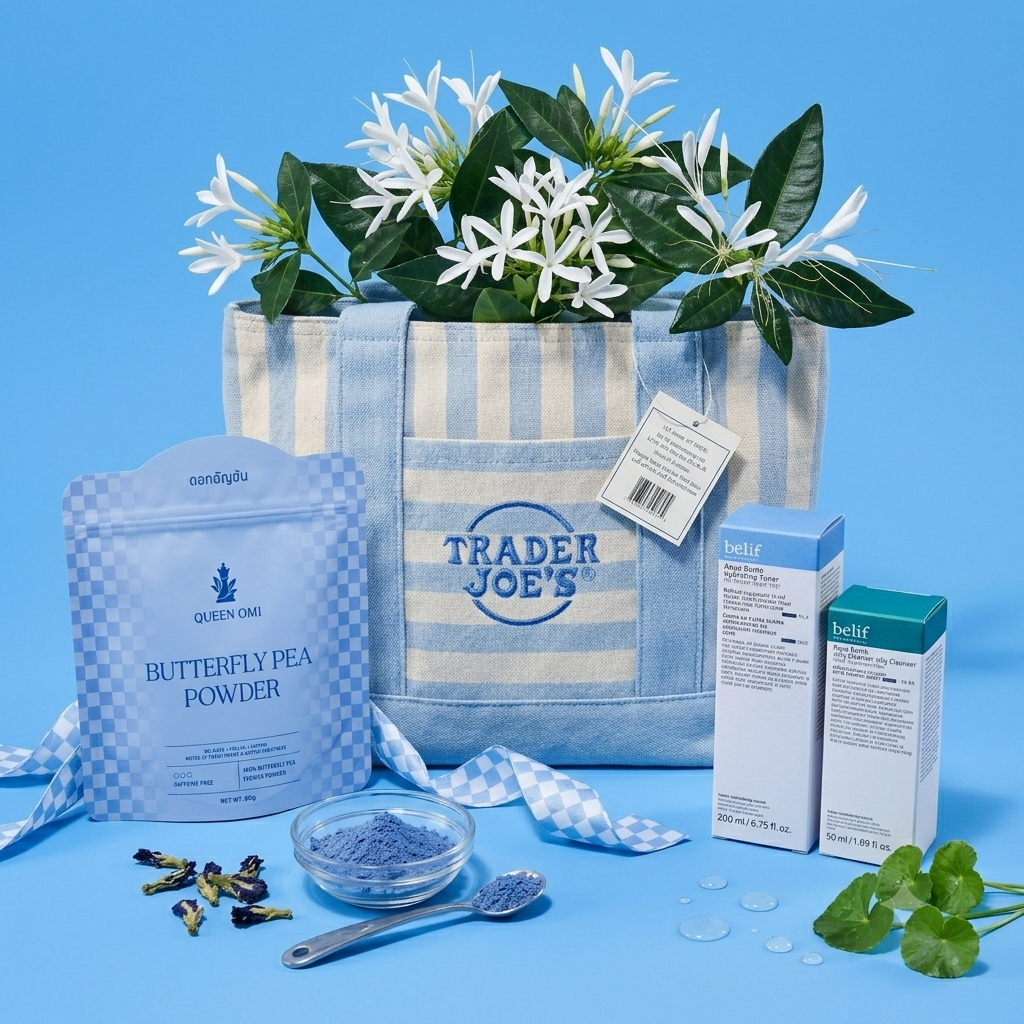
💙 Queen Omi Organic Butterfly Pea No caffeine. Packed with antioxidants. And it literally turns purple when you add lemon — I'm not joking, that's just what it does. Make this your evening ritual and tell your cortisol the workday is officially over. [Shop Queen Omi Organic Butterfly Pea →] |
The Bottom Line
Women's cortisol patterns are shaped by a hormonal landscape that shifts weekly, monthly, and across decades of life. Recognizing that variability — instead of expecting yourself to have the same stress capacity every single day — is often the most useful first step you can take.
This article is for educational purposes only and is not a substitute for professional medical advice. If you think you have a hormone imbalance or are dealing with chronic stress symptoms, please talk to a licensed healthcare provider.